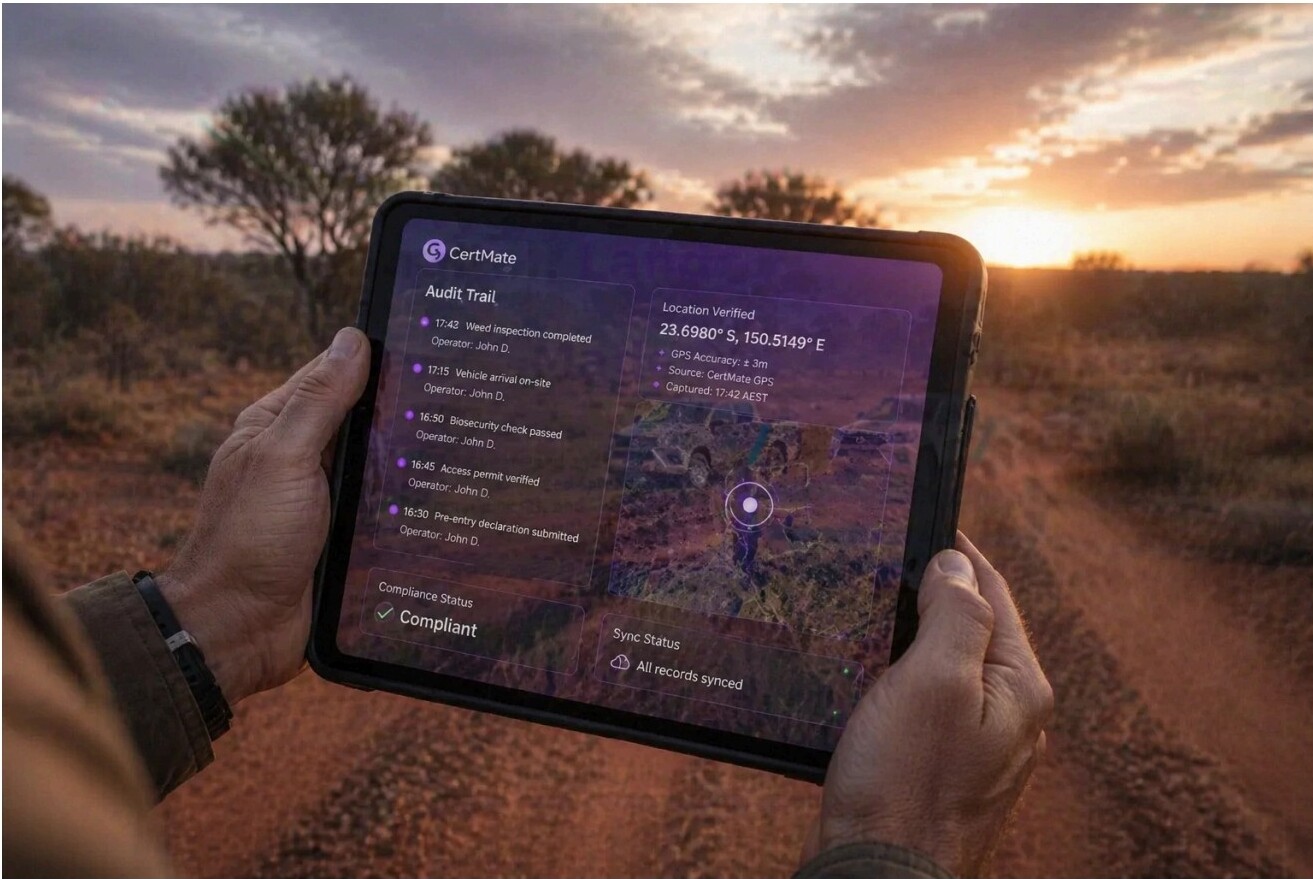
Why Auditors, Insurers, and Regulators Now Ask for Digital Evidence First
Carina Steinbakk
There has been a quiet but significant shift in Australian compliance. Auditors are asking different questions. Insurers are assessing risk differently. Regulators are setting higher expectations.
Across industries—from agriculture to infrastructure, utilities, and resources—one thing is consistent: Digital evidence is now the starting point.
Paper records are no longer the benchmark. They are the fallback. In the modern operational landscape, "we have a policy for that" is no longer an acceptable answer. The only answer that matters is: "Here is the data that proves it."
This Shift Didn't Happen Overnight
For years, manual records were tolerated because there was no practical alternative. Visitor logs, paper inductions, spreadsheets, and email trails were accepted as "reasonable"—even though everyone knew their limitations. We all lived with the "she'll be right" approach to compliance, assuming that a signature on a tattered piece of paper at a property gate would suffice in a crisis.
What changed was not intent. It was scale, risk, and scrutiny.
As we move through 2026, operations have become more complex. Contractors are more mobile, crossing borders and properties with increasing frequency. Biosecurity, safety, and environmental risks have reached a critical reality where a single breach can cost millions—or shut down an entire industry.
Manual systems simply could not keep up. They are fragile, easily forged, and impossible to scale. The "old world" of compliance relied on people remembering and records being accurate later. The "new world" demands real-time verification.
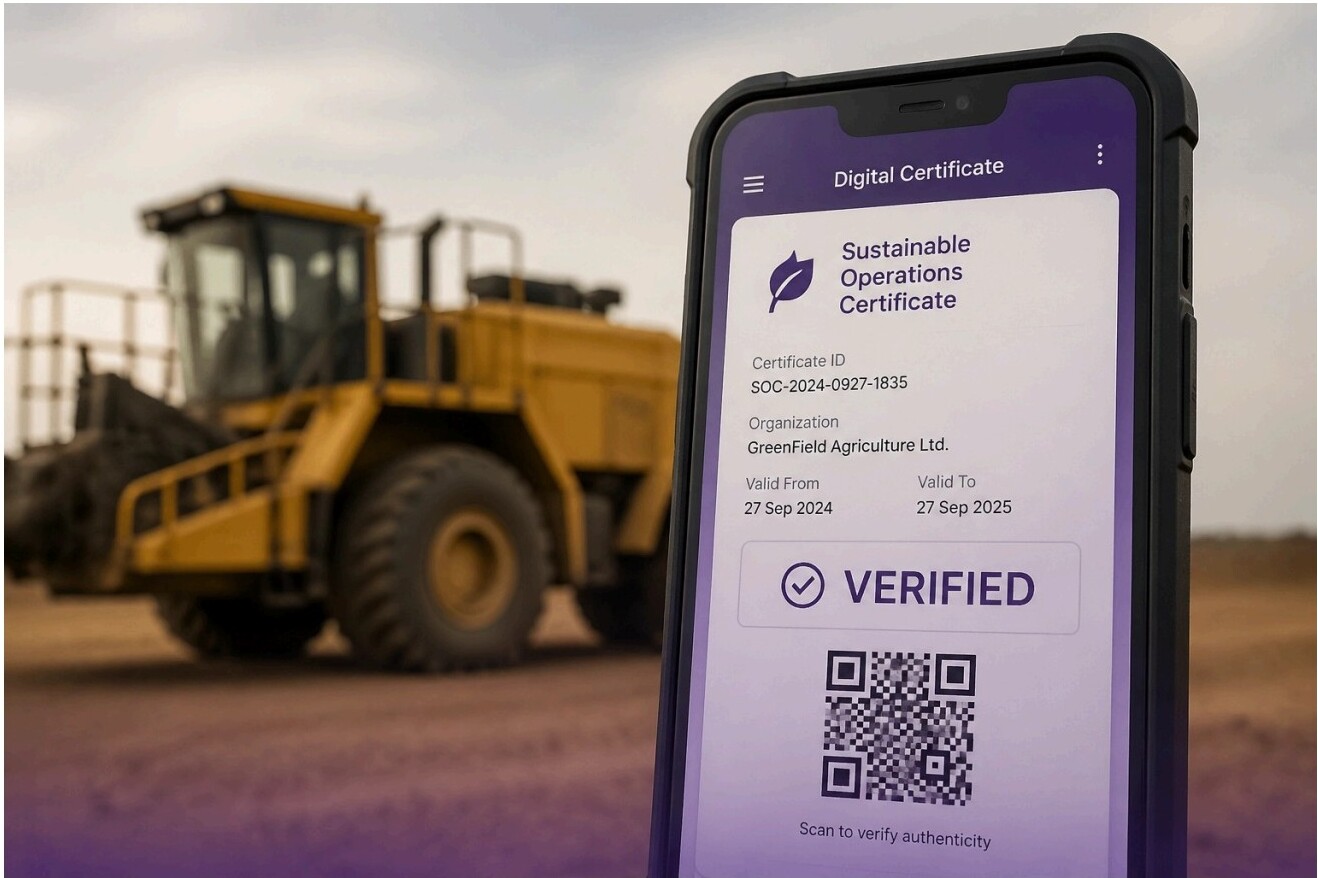
What Auditors Are Really Looking For Now
Modern audits are less interested in policies and more interested in proof of execution. It's the difference between saying you have a washdown procedure and being able to show the timestamped photo of the vehicle being cleaned before it entered the site.
Auditors increasingly ask the hard questions:
- How is land access controlled in real time? (Not a week later when the logbook is collected.)
- How do you ensure inductions are completed BEFORE access?
- How are contractors, vehicles, and sites linked in a single chain of custody?
- Can records be retrieved immediately during a spot check?
- How do you prevent records from being altered after the fact?
These questions cannot be answered confidently with paper-based systems. Digital evidence is not preferred because it is modern; it is preferred because it is verifiable. It provides a defence-grade audit trail that stands up under the most intense scrutiny.
Insurers Have a Different Lens — But the Same Conclusion
Insurers assess exposure, not intention. They don't care that you meant to record the vehicle's hygiene status; they care whether you did.
From an insurance perspective, digital land access compliance provides a level of certainty that manual logs never could. It reduces the "grey areas" that lead to litigation and denied claims.
When an incident occurs—whether it's a biosecurity outbreak or an on-site accident—insurers look for:
- Clear Timelines: When did the vehicle enter? When did it leave?
- Verified Records: Is there GPS data and a timestamp to prove the location?
- Reduced Ambiguity: Are the induction records linked specifically to that individual?
- Faster Claims Assessment: Digital data can be exported and reviewed in minutes, not weeks.
Where evidence is weak or fragmented, risk assessments change accordingly. For many organisations, moving to a platform like CertMate isn't just about operations; it's a strategic move to lower insurance friction and protect the bottom line.
Regulators Are Aligning With Reality
Regulators aren't trying to make your life harder. They are responding to a reality where there is more movement and higher stakes. In 2026, the Australian regulatory environment has shifted toward outcome-driven enforcement.
Whether it's the OAIC looking at data privacy or state-based biosecurity agencies, the expectation is that you have a "fair and reasonable" system in place to manage risk.
Digital evidence allows regulators to:
- Assess compliance quickly without disrupting your entire operation.
- Focus on real risks rather than chasing missing paperwork.
- Make proportionate decisions based on hard data.
This benefits good operators. If you can prove you've done the right thing, you are protected. If you can't, you're exposed.
Land Access Compliance: The Common Thread
Across every audit, insurance review, and regulatory assessment, one area consistently sits at the centre: Land access.
It is the point of greatest risk. It is where pathogens enter a farm, where unauthorised personnel enter a mine site, and where safety protocols are most likely to break down.
If your land access evidence is weak, confidence collapses across every other control. You might have the best safety culture in the world, but if you don't know exactly who is on your site at 2:00 PM on a Tuesday, your system is failing.
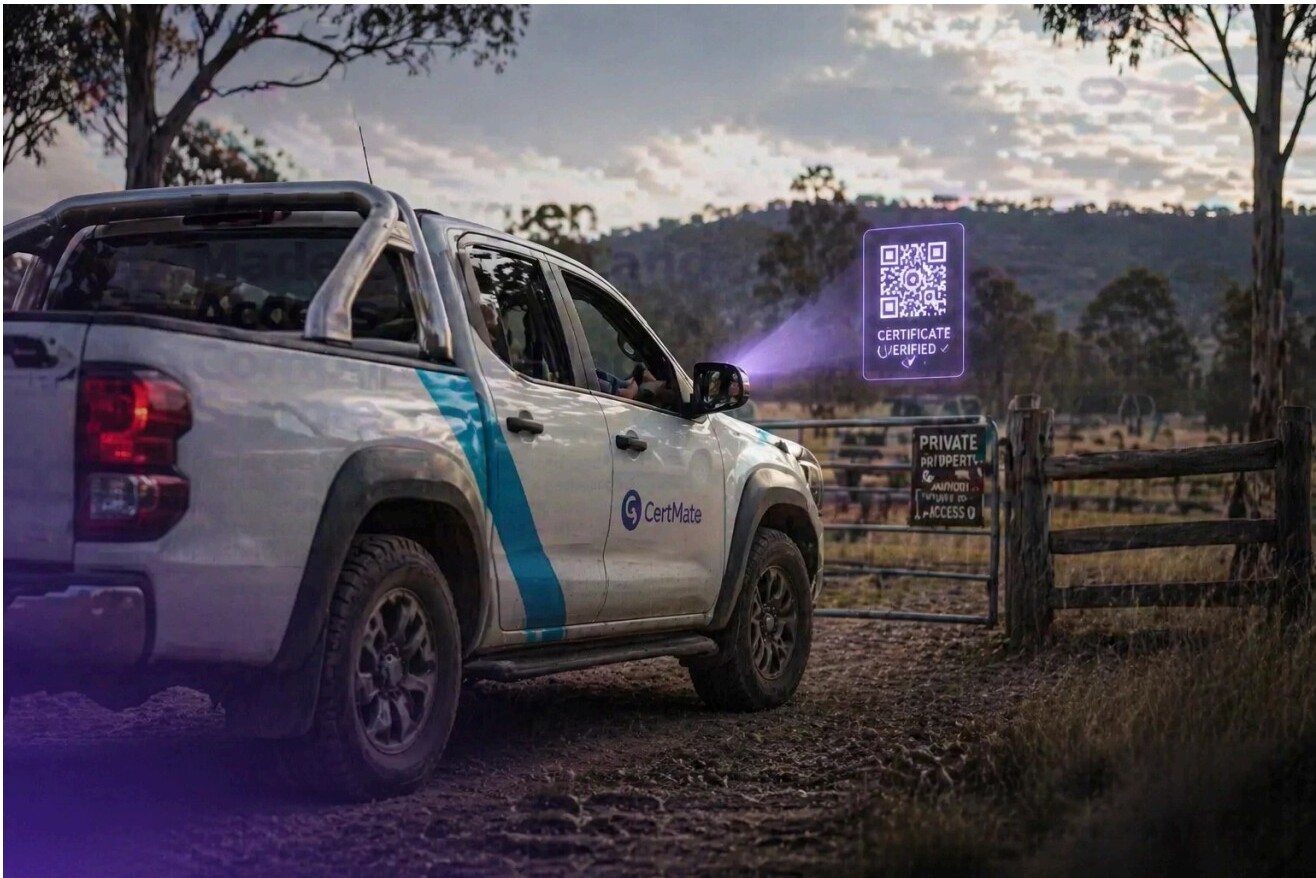
Why Digital Evidence Changes Leadership Conversations
For executives and senior leaders, digital evidence does something powerful: It replaces opinion with facts.
In the past, board-level reporting on compliance was often based on anecdotal evidence or "spot check" results. Now, leaders can move away from "I think" and "I believe" to "I know."
- Instead of: "We think our washdown process works."
- You can say: "We have 100% digital verification for every vehicle that entered Site B last month."
This level of certainty is why digital compliance systems are increasingly appearing in board discussions, risk committees, and ESG reporting. It's no longer an operational "nice-to-have"; it's an essential tool for governance.
Where CertMate Fits — By Design
We built CertMate because we saw this shift coming. We knew the industry needed a solution that worked in the real world: remote, dusty, and high-pressure.
CertMate was designed to operationalise "good" compliance by:
- Enforcing Compliance by Default: You can't get a certificate without the required data.
- Working Offline: Syncing automatically when you're back in range.
- Linking Everything: Connecting the operator, the vehicle, and the site via a tamper-proof QR code.
- Providing Instant Retrieval: No more digging through filing cabinets.
CertMate does not replace your good practices. It proves they are happening. In a world where auditors and regulators ask for digital evidence first, that proof is your most valuable asset.
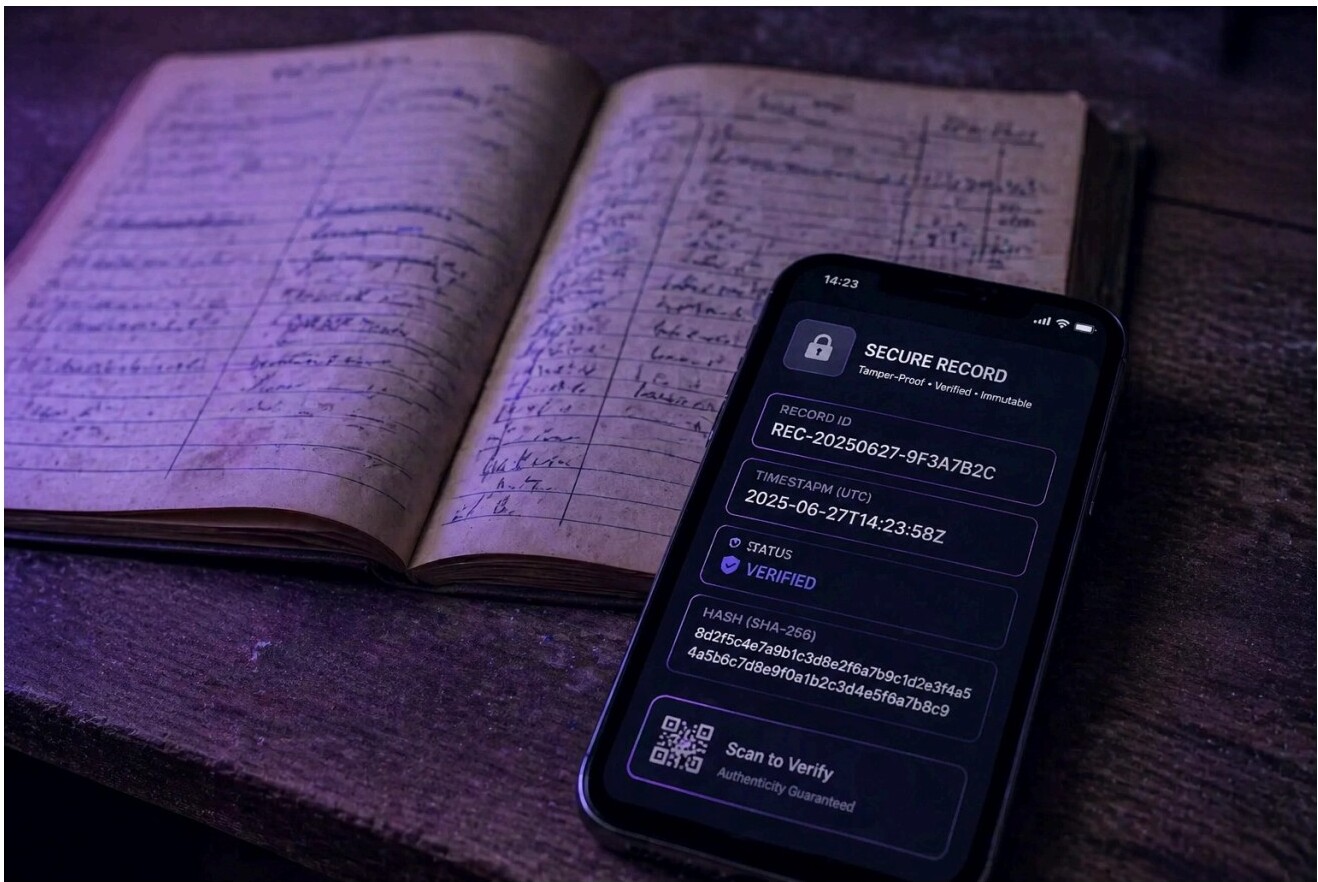
Thought Leadership Means Accepting the New Standard
The question is no longer: "Is digital compliance worth it?" The question leaders are now asking is: "How exposed are we without it?"
The organisations that adopt digital evidence early are the ones shaping the standard. They are the ones who get through audits faster, pay lower insurance premiums, and maintain the strongest relationships with landholders. Those who delay are simply being measured against a standard they cannot meet.
The Bottom Line
Auditors, insurers, and regulators are not asking for digital evidence because it is trendy. They are asking for it because:
- Manual records do not scale.
- Operational risk has increased.
- Accountability is at an all-time high.
- Decisions must be made in minutes, not days.
Land access compliance sits at the heart of this shift. Digital evidence is no longer a differentiator; it is the baseline for doing business in Australia.
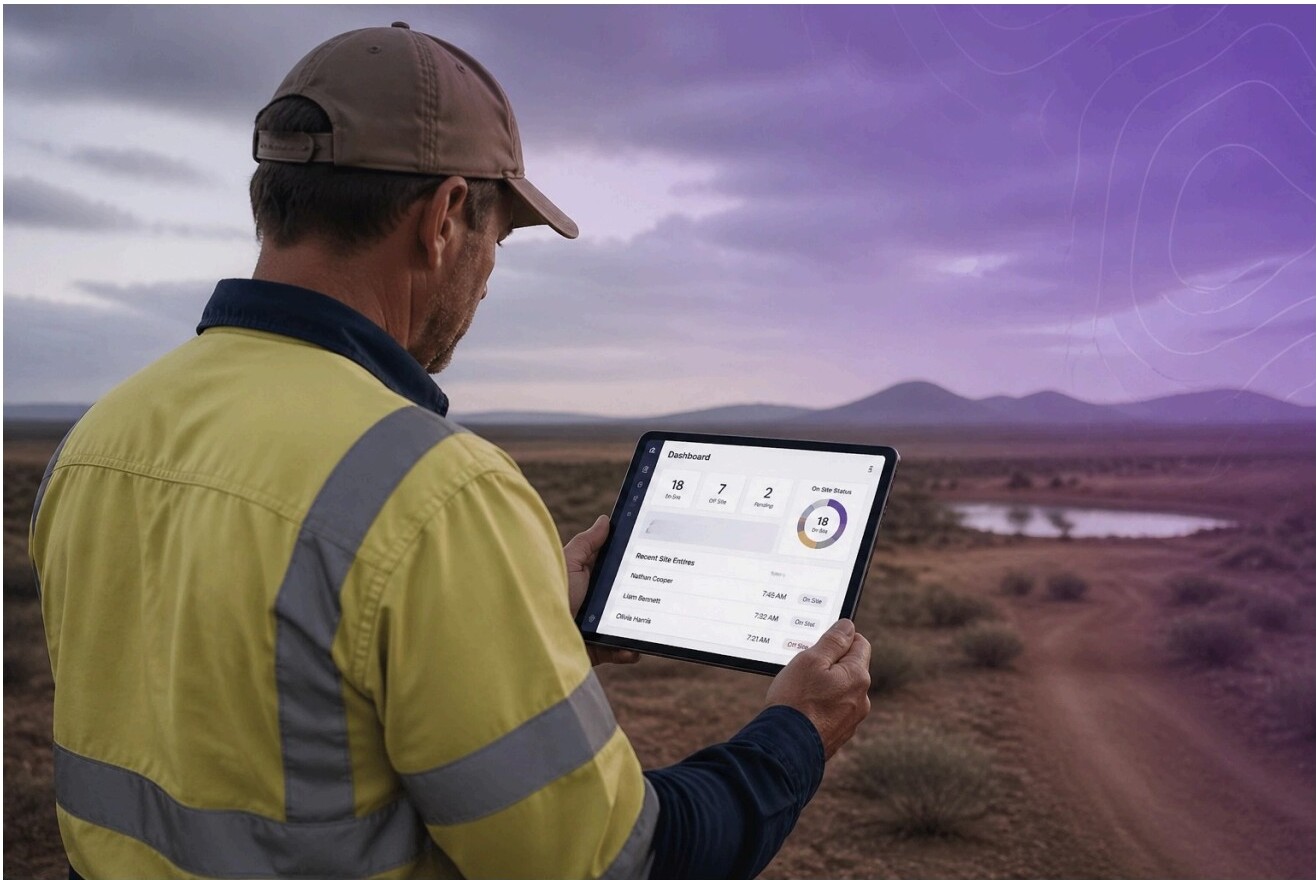
Don't wait for an audit to find out your paper trail is a dead end. Streamline your compliance, secure your site access, and protect your reputation.
Ready to move from "reasonable" to "verifiable"? Explore how CertMate can transform your compliance workflow today.