What Happens If You Can't Prove Land Access Compliance?
CertMate Team
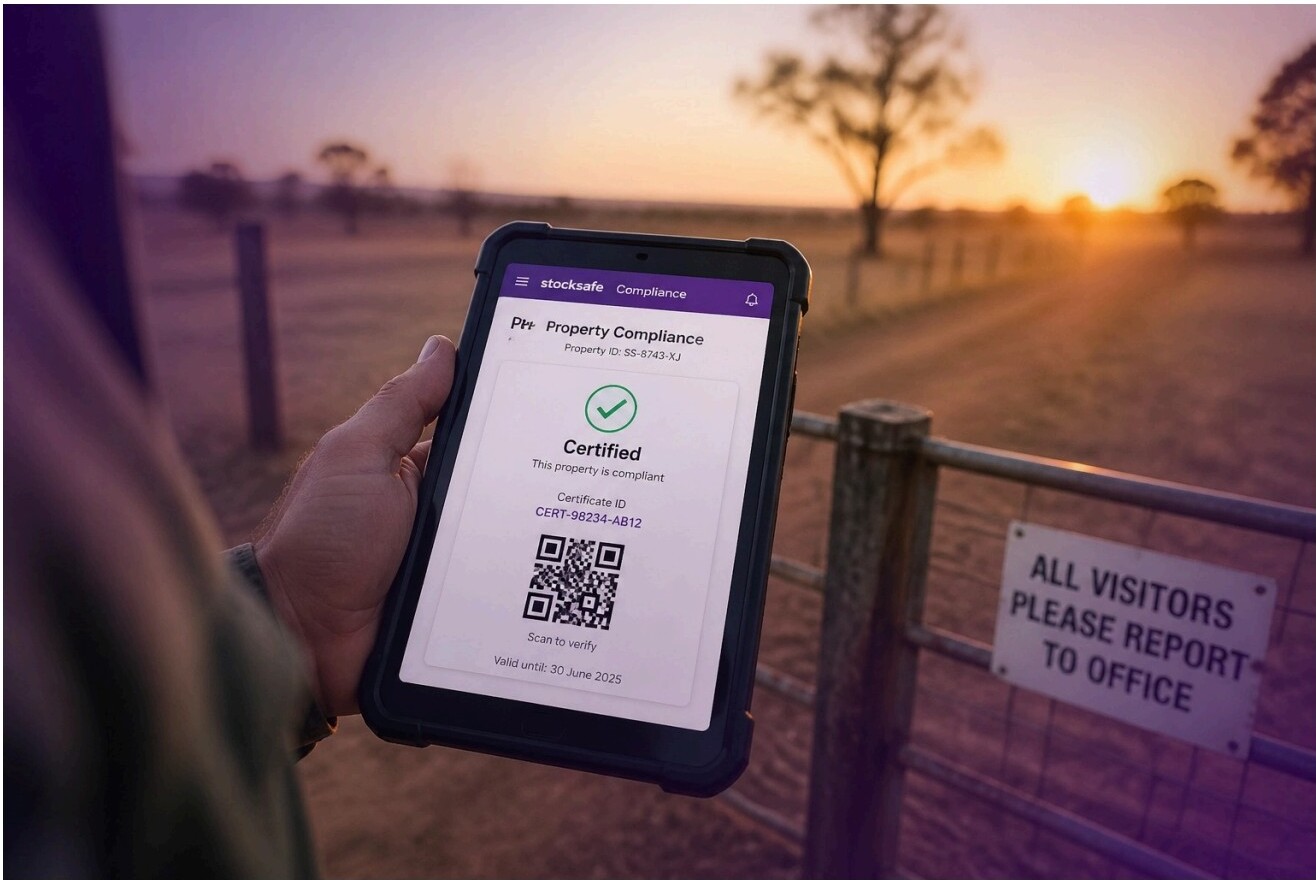
In a biosecurity incident, investigation, or audit, one question rises above all others: Can you prove who accessed your land, when, and under what conditions?
If the answer is unclear, incomplete, or undocumented, consequences follow quickly. Land access compliance is no longer a background administrative task. It is a core control that underpins farm biosecurity, insurance coverage, supply-chain confidence, and regulatory trust.
When proof is missing, exposure increases. In the high-stakes world of Australian agriculture and resource management, "we think we checked them" isn't a compliance strategy — it's a liability.
Intent Does Not Protect You — Evidence Does
Most farms and industrial sites operate with good intent. Visitors are known. Rules are explained. Risks are taken seriously. But intent does not satisfy regulators, insurers, or auditors.
In modern biosecurity compliance, decisions are made based on evidence, not assumptions. If land access records cannot be produced, verified, and explained, the system is treated as non-compliant — regardless of the effort you put in behind the scenes.
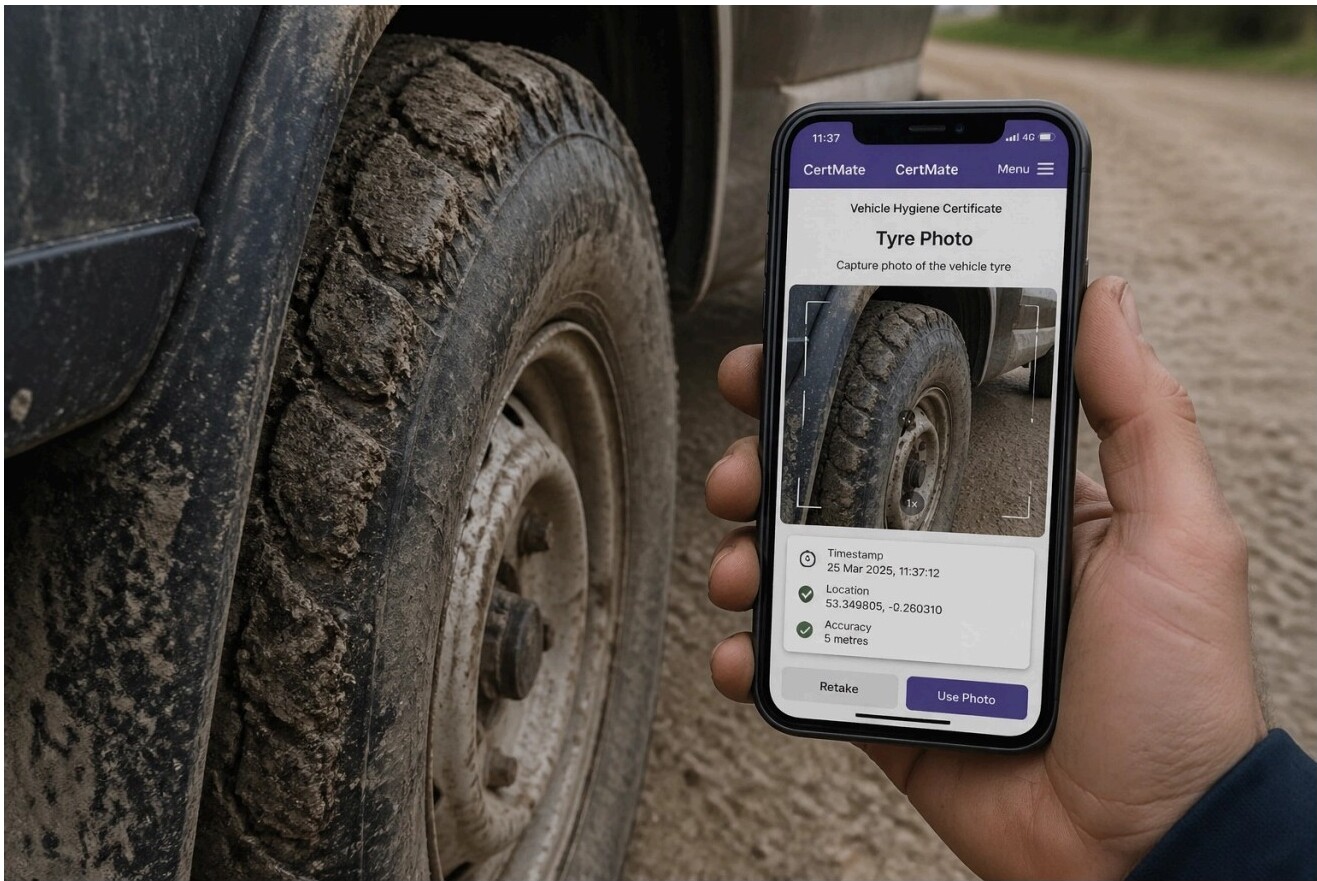
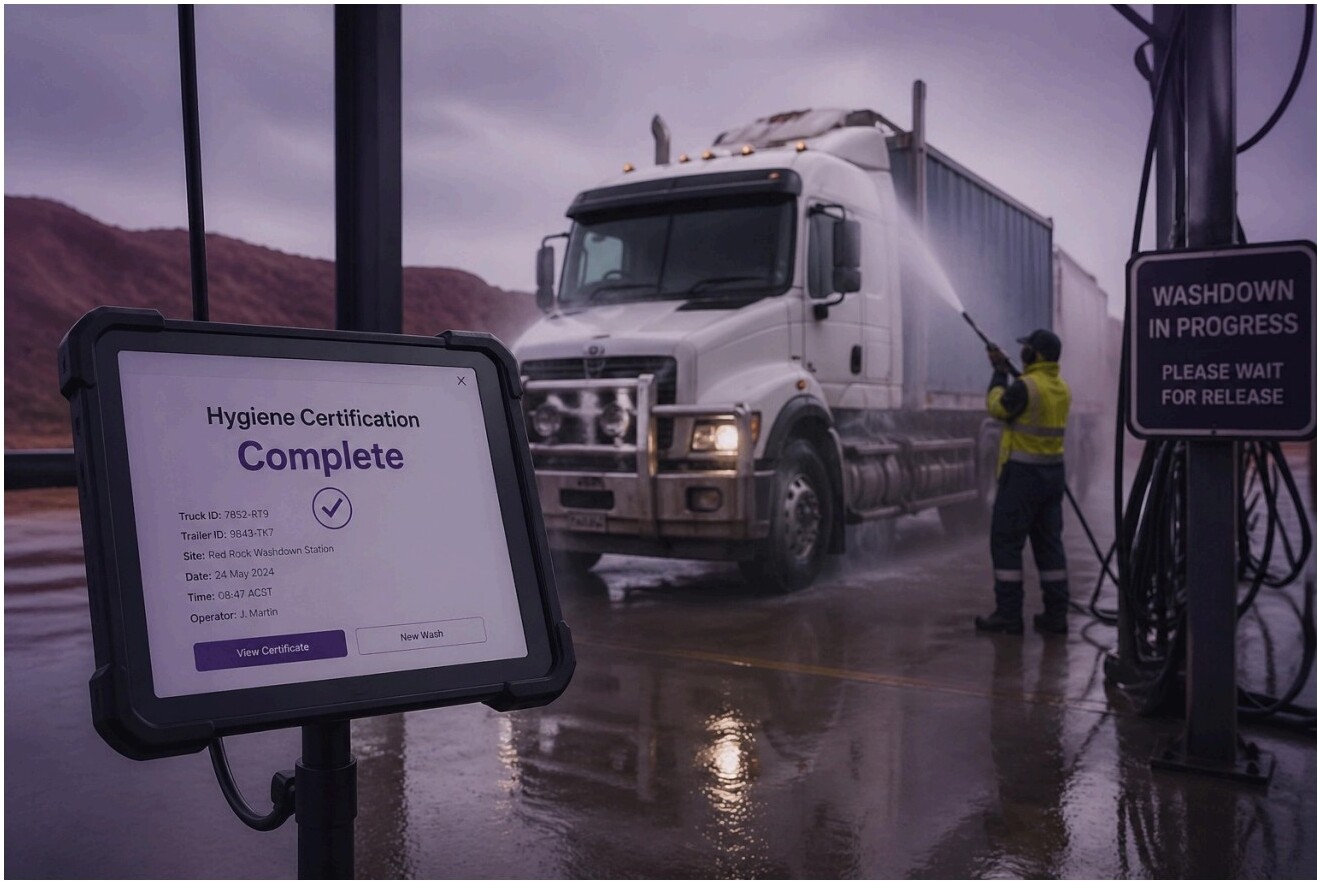
This is where many operations are caught off guard. You might have the best washdown bay in the region, but if you can't show a time-stamped, geo-located record of every vehicle that used it, you effectively have no hygiene control in the eyes of the law.
The Immediate Consequences of Missing Proof
When land access compliance cannot be demonstrated, the impacts are immediate and often devastating. According to the Biosecurity Act 2015, failure to comply with general biosecurity duties can result in massive financial hits.
- Massive financial penalties — For corporations, fines can exceed $1.11 million. Individuals are not exempt either, with penalties reaching over $220,000 for serious breaches.
- Delayed investigations — Without clear records, authorities must cast a wider net. This means more of your property is locked down for longer while they establish exposure pathways.
- Increased regulatory scrutiny — Once you fail to produce records, you are marked as "high risk." Expect more frequent, more invasive audits for years to come.
- Burden of proof shift — In many cases, the absence of digital records shifts the burden of proof onto you. You are forced to prove you didn't cause the breach, which is nearly impossible without data.
Beyond the Fines: Insurance and Market Access
It's not just the government you have to worry about. The hidden costs of poor land access compliance can be even more damaging to your bottom line.
Insurance confidence: Insurers are increasingly looking at your duty of care. If a biosecurity breach leads to a significant loss and you cannot produce an auditable trail of who entered your property, your claim may be compromised. Insurers want to see that you had active, verifiable controls in place.
Supply-chain trust: Major retailers and export markets are obsessed with traceability. If your operation is the "black hole" in the data chain where records go missing, you risk losing your status as an approved supplier. Vehicle hygiene certifications and land access compliance are now prerequisites for premium market access.
Why Land Access Is Central to Biosecurity Compliance
Land access records form the foundation of traceability. They are the first line of defence in any biosecurity plan. Without a digital gatekeeper, you cannot answer the five critical questions that investigators will ask during an incident:
- Who exactly entered the site (including contractors and sub-contractors)?
- When did the access occur, and for how long?
- Were biosecurity inductions completed before they turned a wheel on your dirt?
- What risk declarations (like weed-free status) were made?
- What controls — like a verified washdown — were in place at the time?
Without these answers, a biosecurity response becomes slower, broader, and more disruptive than necessary. This is why land access is now treated as a primary biosecurity control, not a secondary "office" process.
The Evidence Gap: Why Manual Records Are Your Biggest Liability
Many operations still rely on paper logs, whiteboards, or verbal handshake agreements. While these feel easy in the moment, they are liability magnets during an audit.
- No standardisation — Every contractor writes something different.
- No time-stamping — You can't prove the record wasn't written five minutes after the auditor arrived.
- No verification — You have no way to prove the photo of the "clean truck" was actually taken on your site today.
- High friction — If compliance is hard to do, people will skip it. Paper is hard.
Digital land compliance changes the standard. It replaces "best effort" with demonstrable control.
The Digital Shield: How CertMate Automates Proof
Digital platforms like CertMate are designed to close the evidence gap. We built CertMate specifically for the gritty, remote reality of Australian agriculture and mining. It isn't just an app — it's a defence-grade audit trail.
- Capture evidence anywhere — Our app works offline, allowing operators to document washdowns and site inductions in the most remote paddocks. Data syncs automatically once they hit a signal.
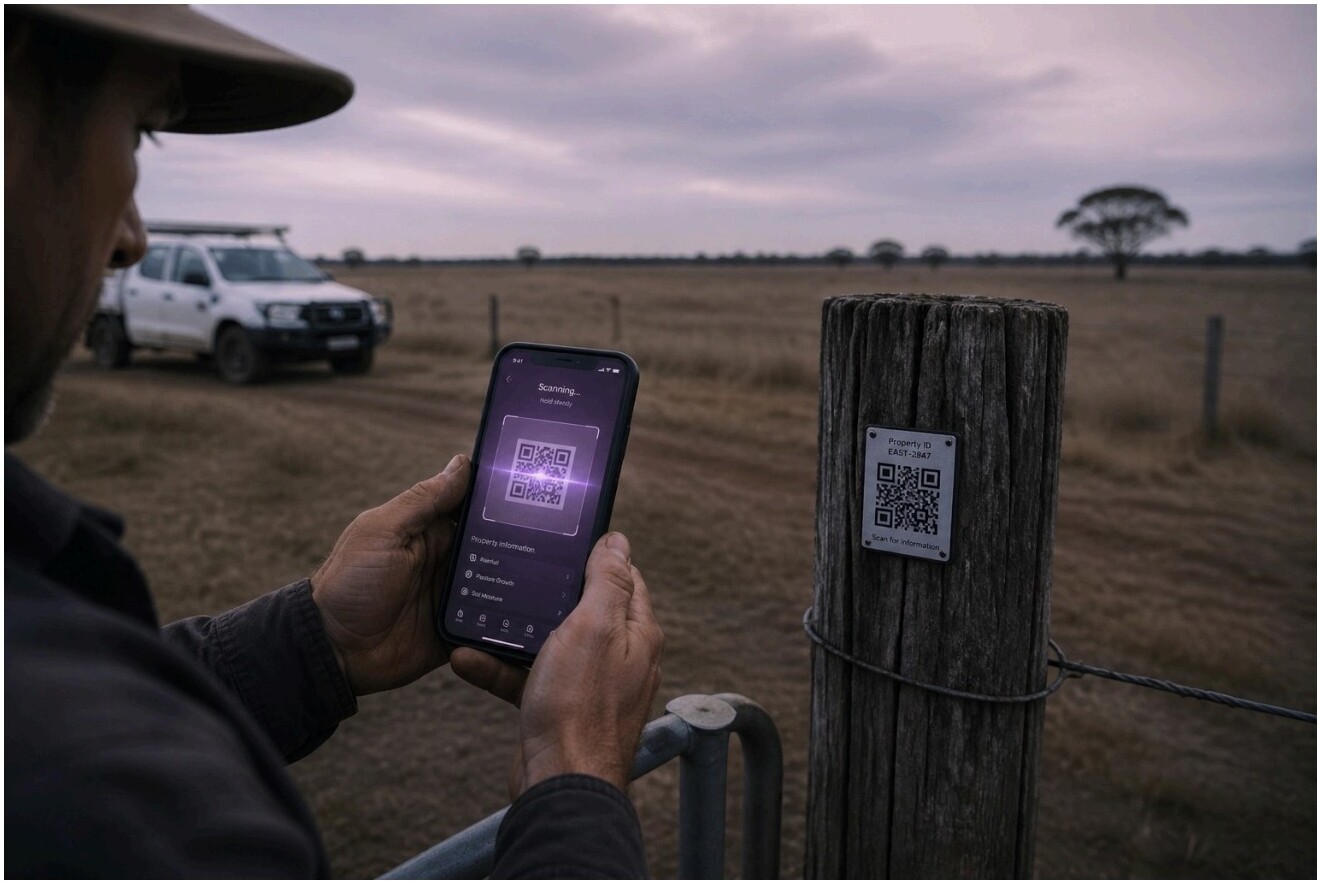
- Verify in seconds — Site managers can scan a tamper-proof QR code to see the real-time status of any vehicle or contractor. No more guessing.
- Automated certification — Instead of manual filing, CertMate generates digital certificates with timestamped photos and GPS data.
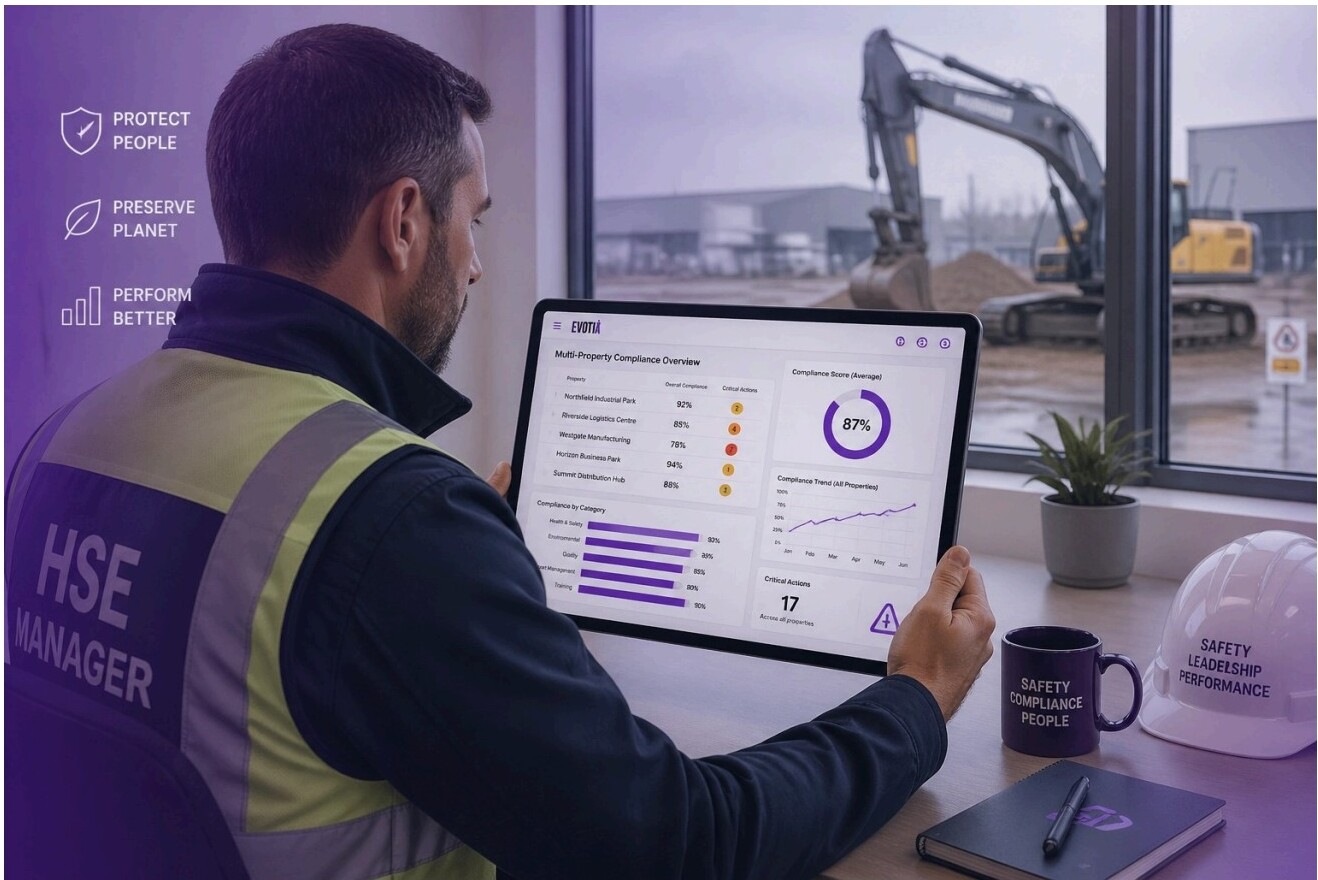
- Multi-property visibility — HSE managers can monitor compliance across a hundred sites from one central dashboard.
Certification and Compliance Are Converging
Across Australia, we are seeing a massive shift. Compliance is no longer just about following the rules — it's about certification.
Whether it's driven by ESG expectations, industry assurance programs, or biosecurity frameworks, the requirement is the same: prove it.
Digital land compliance systems support this shift by creating verifiable evidence that demonstrates alignment with national standards. Certification depends on consistency, and consistency depends on systems. You cannot scale a paper-based system across a growing operation without increasing your risk.
When Proof Exists, Outcomes Improve
The goal of land access compliance isn't just to tick a box. It's to stabilise your business during a crisis. When you have a platform like CertMate in place, the dynamic changes:
- Investigations are faster and focused only on the high-risk areas.
- Biosecurity responses are proportionate, preventing the "total shutdown" scenario.
- Audits are less disruptive because the data is already organised and ready.
- Confidence increases across your entire supply chain.
Proof doesn't just protect your farm; it protects your reputation and your future.
The Bottom Line
In modern biosecurity compliance, the risk isn't just that something goes wrong. The risk is that when it does, you cannot prove what happened.
Land access compliance is the starting point for traceability, certification, and confidence. Manual systems are no longer enough to meet the legal and financial expectations of the 21st century.
Digital systems like CertMate exist to ensure that proof is available when it is needed — not reconstructed after the fact.
Good compliance is quiet. Bad compliance is exposed.
Don't wait for an audit to find out your records aren't up to scratch. Verify your fleet and secure your land access today with CertMate.