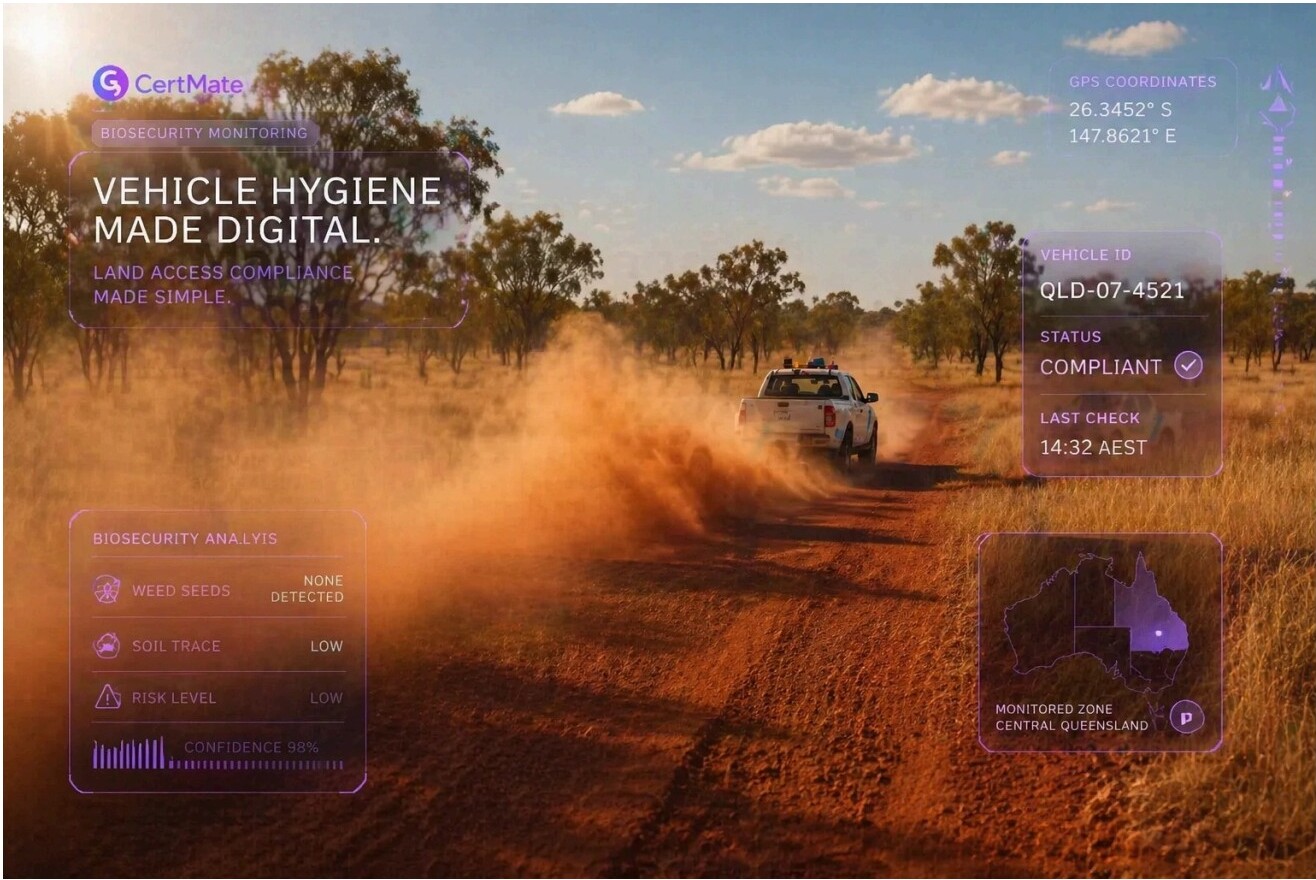
Why Summer Increases Biosecurity Risk — and What Australian Land Access Compliance Must Do About It
Carina Steinbakk
In Australian agriculture and heavy industry, biosecurity risk is not a flat line. It doesn't stay constant. Instead, it rises and falls with the seasons, the intensity of movement, and the crushing weight of operational pressure.
Summer is the high-water mark for risk.
As spring transitions into the sweltering heat of an Australian summer, operations across the country shift into a different gear. Farms, mines, and infrastructure projects enter their most frantic periods. This seasonal shift isn't just about the temperature—it's about the sheer volume of movement across land boundaries.
When the dust kicks up, compliance often goes down. That is a critical reality we cannot afford to ignore in 2026.
Summer Movement Equals Summer Risk
Summer brings a specific kind of momentum. It is a time of "peak everything." Vehicles move more frequently between properties, regions, and biosecurity zones than at any other time of the year.
The scale of movement is staggering:
- Agribusiness: Harvest crews move from farm to farm, often crossing state lines.
- Infrastructure: Utilities and renewable energy teams ramp up maintenance while the ground is dry.
- Resources: Exploration and mining activities accelerate before the potential of northern wet seasons or high-summer storms.
This momentum creates the perfect storm for contamination. Contractors work across multiple properties in tight timeframes. Machinery is shared or moved rapidly. When time is money and the sun is beating down, informal shortcuts start to feel rational.
From a biosecurity perspective, this creates ideal conditions for the silent spread of disease, weed seeds like Parthenium, and soil-borne pathogens. Land access compliance is the only thing standing between that operational momentum and a catastrophic biosecurity breach.
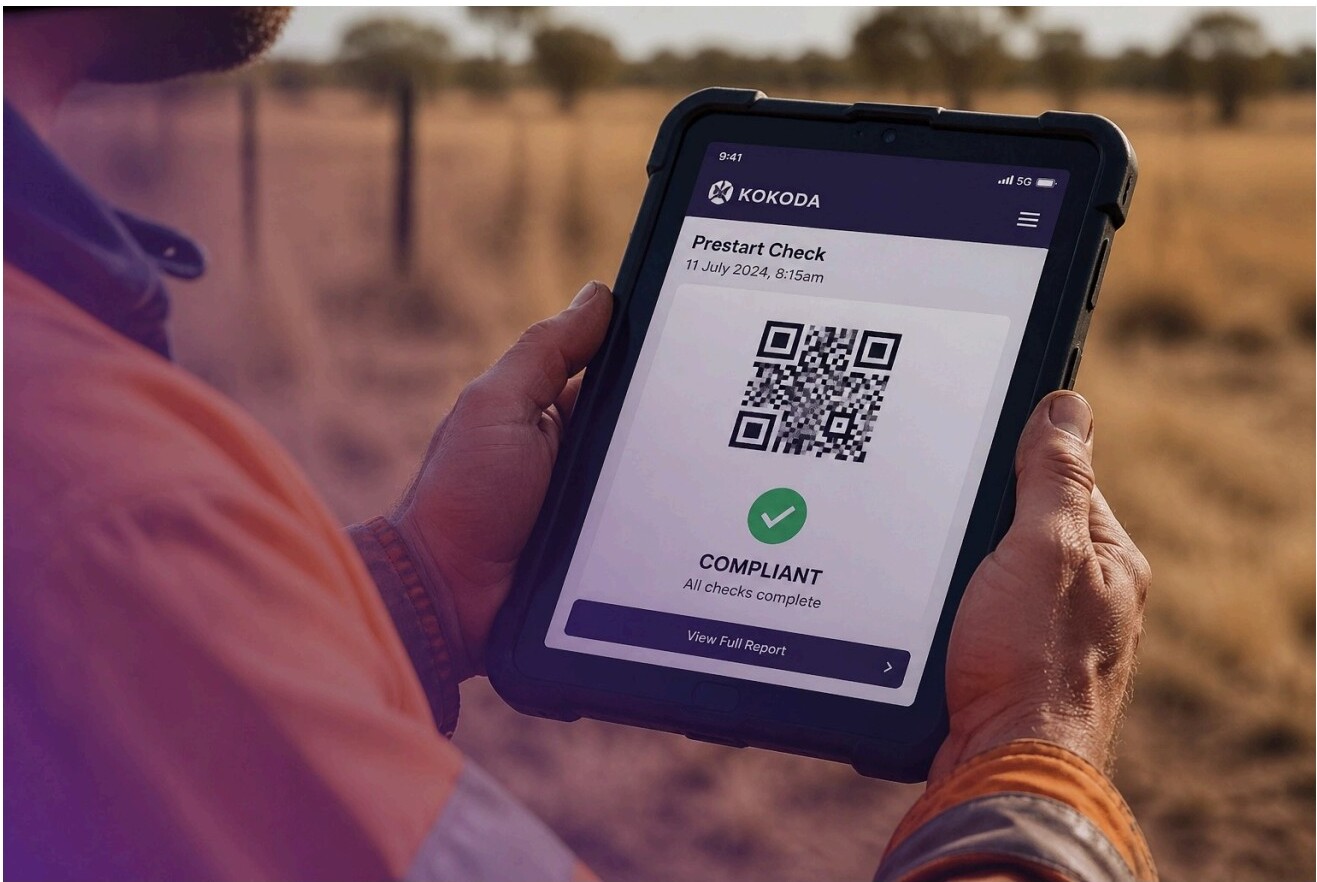
Why Land Access Compliance Is Tested in Summer
Systems aren't tested when things are quiet. They are tested when the heat is on—literally. Land access compliance is pushed to its breaking point during the Australian summer because:
- Unplanned Visitors: Urgent repairs or last-minute deliveries arrive without notice.
- Rushed Inductions: New contractors are onboarded in the field, often under a blazing sun where reading a 10-page paper document is the last thing anyone wants to do.
- The "Later" Trap: Records are completed at the end of a 12-hour shift—or worse, at the end of the week—relying on hazy memories.
- Familiarity Bias: Long-term contractors are waved through gates because "they know the drill," even if their vehicle hygiene hasn't been verified for that specific site.
If your land access compliance relies on manual processes, paper logs, or individual memory, it will fail. It isn't a matter of if, but when.
Biosecurity Controls Must Hold Under Pressure
Effective biosecurity systems don't depend on perfect conditions. They depend on digital resilience. For a control to be effective in 2026, it must be part of the workflow, not an obstacle to it.
To survive a summer peak, your systems must provide:
- Consistency: The same rules apply at 6 AM as they do at 4 PM.
- Automation: Removing the human element from data entry.
- Ease of Use: If it's harder than sending a text, it won't get done.
- Real-Time Recording: Capturing the evidence at the gate, not back in the office.
This is why digital land access compliance platforms like CertMate by Aevi Tech have become the industry standard. When compliance is embedded into the access process itself, it doesn't get skipped. It becomes the "digital key" that opens the gate.
How Digital Land Access Compliance Reduces Summer Risk
The CertMate platform was built for the harsh, high-pressure environments of regional Australia. It's designed to work where paper fails.
1. Digitising Land Access Approvals. Stop relying on phone calls and verbal "she'll be rights." CertMate allows managers to issue digital approvals that are linked to specific site requirements. No certificate, no entry.
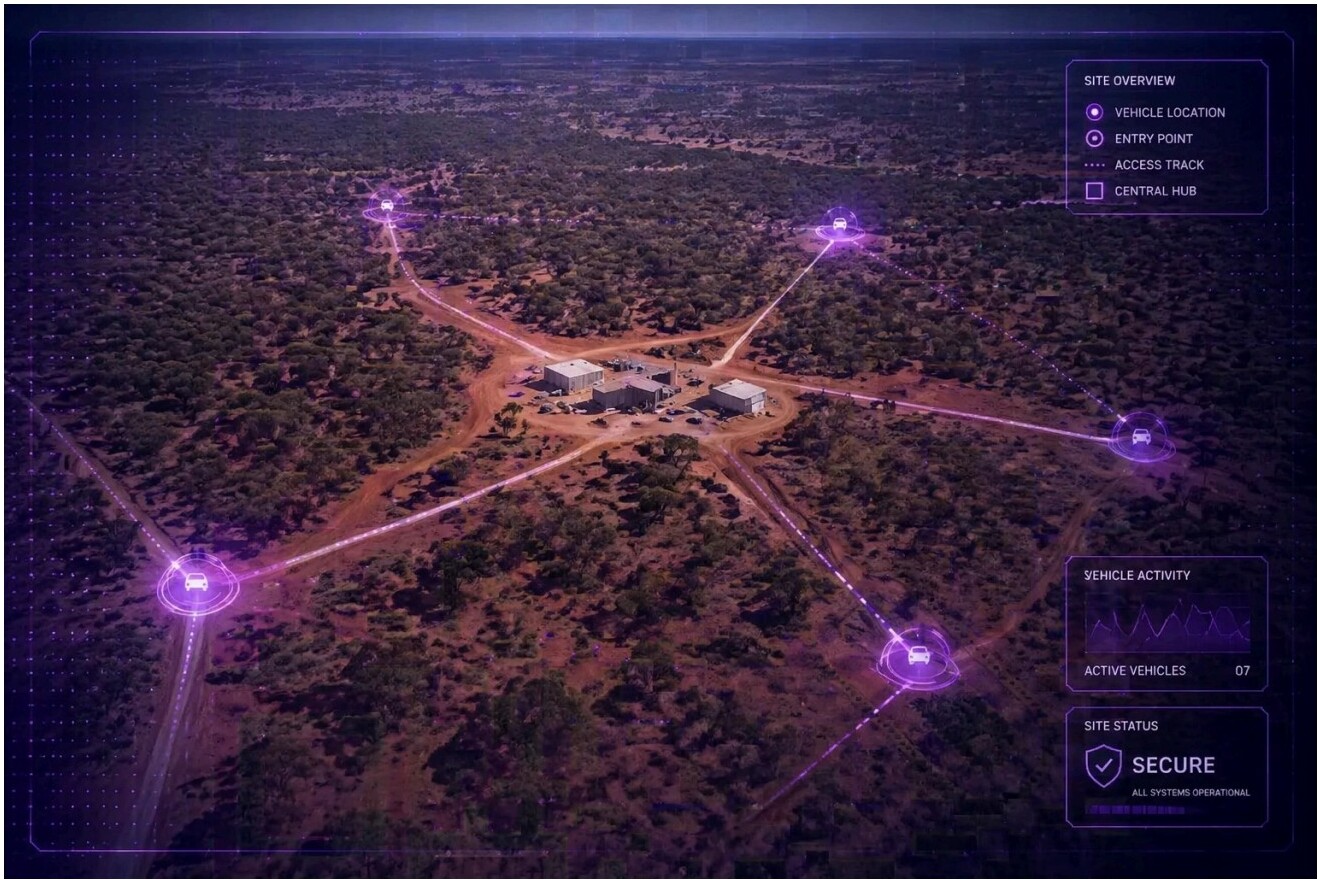
2. Real-Time, Time-Stamped Evidence. Every entry is logged with a GPS-verified location and a timestamp. This creates a defence-grade audit trail that proves you were in control of your land 24/7.
3. Enforced Inductions and Declarations. Contractors cannot generate an entry QR code until they have completed the site-specific induction and biosecurity declaration. This ensures that every person on your land has seen and accepted your biosecurity rules.
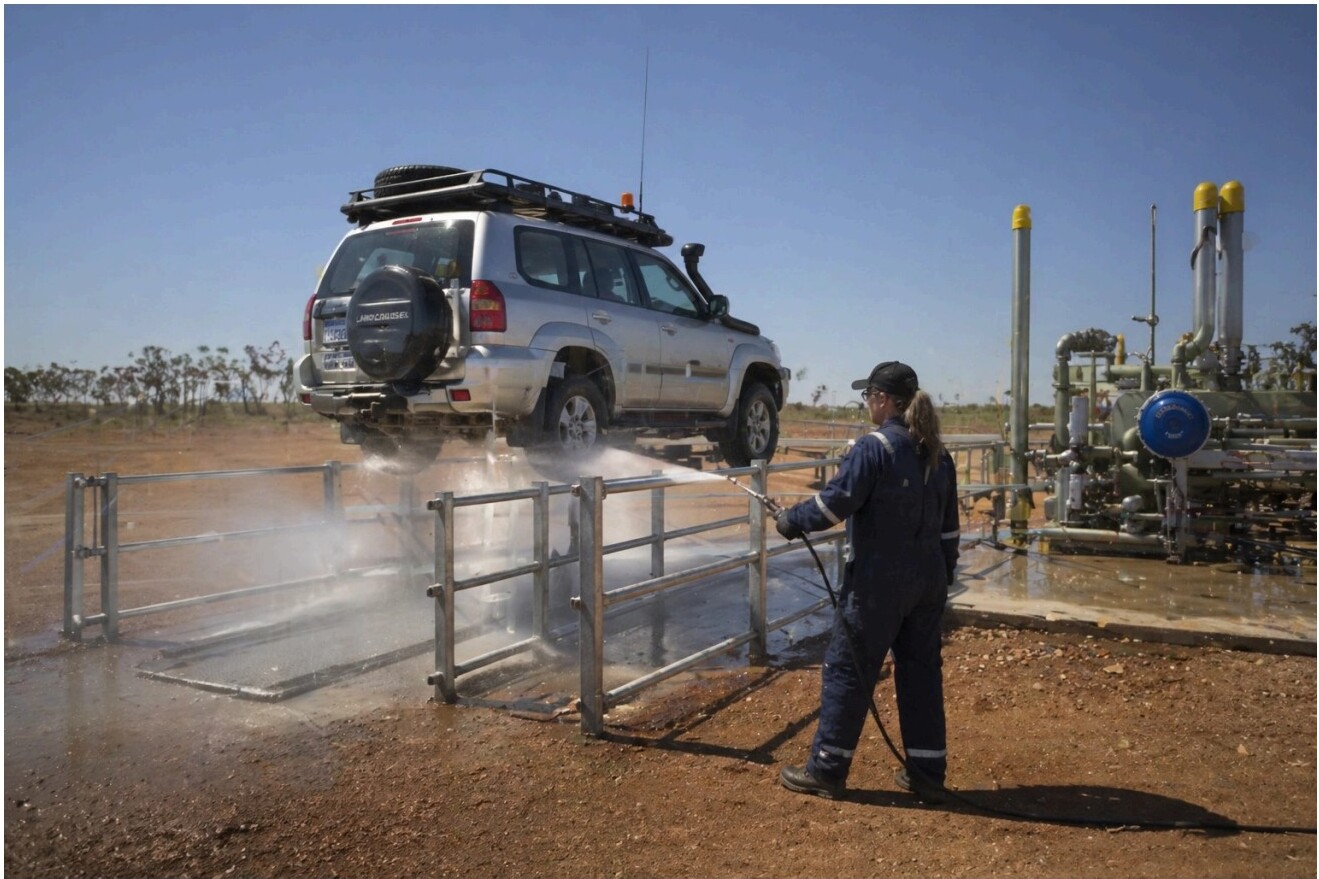
4. Vehicle Hygiene Certification. Summer is the time for washdowns. CertMate allows operators to capture timestamped photos of their vehicle washdowns, creating a verifiable chain of custody that protects both the landholder and the contractor.
Summer Is When Traceability Matters Most
In biosecurity, time is the only currency that matters during an outbreak. If a weed infestation or disease is detected, your response time determines the total cost of the damage.
Clear, digital land access records allow operators to identify exposure windows in seconds, not days. You can trace exactly which vehicle moved from an infected area to a clean zone. You can limit disruptions to unaffected areas and provide regulators or insurers with the hard data they need to keep your business moving.
Without traceability, your response is just guesswork. Summer amplifies the cost of failure.
Compliance Fatigue Is Real — Systems Solve It
By the time November and December roll around, field teams are tired. They've been working through the peak of the year, and "compliance fatigue" is a very real operational risk.
Fatigue leads to shortcuts. Shortcuts lead to breaches.
Digital systems reduce this fatigue by doing the heavy lifting. CertMate automates record-keeping, standardises inductions across multiple sites, and removes the need for duplicate administration. It turns a chore into a 30-second digital check-in. Good technology doesn't just watch people; it protects them from their own human limits.
Why This Matters for Australian Operations
Australia's biosecurity standards are among the strictest in the world—for good reason. As summer movement increases, so does the scrutiny from export-focused supply chains and high-value agricultural regions.
Maintaining land access compliance isn't just an internal HSEQ task. It's about maintaining trust with:
- Regulators: Proving you meet the Biosecurity Act requirements.
- Insurers: Reducing your risk profile to keep premiums manageable.
- Markets: Ensuring your produce or service meets the "clean and green" standards the world expects from Australia.
The Bottom Line
Summer does not cause biosecurity risk—movement does. And summer in Australia is the peak of movement.
Your land access compliance must be at its strongest when your operation is at its busiest. Relying on manual logs and "good intentions" during the summer rush is a gamble with your business's future. Digital systems like CertMate ensure that even when the heat is rising and the timelines are tight, your compliance doesn't fall behind.
Good biosecurity is not seasonal. But risk is.
Stay ahead of the heat. Automate your access. Protect your land.

Want to see how CertMate can streamline your summer operations? Explore our digital compliance solutions today.