Why "Minimum Compliance" Is the Most Expensive Strategy
Carina Steinbakk
Across Australian industries, "minimum compliance" is often treated as a sensible goal. Do what's required. Meet the standard. Avoid unnecessary cost.
On paper, it sounds efficient. It looks like a lean operation. But in the field—where the red dirt meets the reality of regulation—minimum compliance is one of the most expensive strategies an organisation can adopt. This is especially true when it comes to land access, biosecurity, and contractor management.
The cost of "just enough" isn't found in a subscription fee or a line item. It's found in the chaos that follows a breach, the downtime of a grounded fleet, and the multi-million dollar fines that follow a failure to prove due diligence.
Minimum Compliance Optimises for the Wrong Outcome
Minimum compliance focuses on passing, not protecting.
It asks the wrong questions:
- What do we need to show the auditor?
- What is the absolute least we can do to stay legal?
- What will satisfy a cursory inspection at the gate?
It rarely asks the critical questions that define a resilient business:
- What happens when something goes wrong?
- How quickly can we respond to a biosecurity threat?
- How confident are we in the integrity of our records?
- What would this evidence look like under intense regulatory scrutiny?
Land access compliance designed only to "meet requirements" is a house of cards. It looks fine in the sun, but it breaks down the moment pressure is applied. Whether it's an unexpected audit, a disease outbreak, or a legal dispute, "minimum" is never enough when the stakes are high.
Where Minimum Compliance Fails in Land Access
In land access compliance, minimum standards are usually synonymous with manual processes. They are the "old-world" frustrations that modern operators are desperate to leave behind.
These standards often look like:
- Paper visitor logs that are illegible, incomplete, or left in the rain.
- Manual inductions that rely on the memory of the supervisor and the patience of the contractor.
- Verbal biosecurity briefings that leave no audit trail and no proof of understanding.
- Spreadsheets updated after the fact, where data is reconstructed from memory days or weeks later.
- Inconsistent contractor onboarding that varies from site to site, creating gaps in site security.
These approaches technically exist—they might even pass an initial check—but they are inherently fragile. They rely on assumptions that never hold true in real-world operations: that people will remember every detail, that time will always be available, that conditions will be calm, and that records can be accurately "fixed" later.
In the field, things are rarely calm. Conditions are gritty, and time is money. When a record is "fixed" later, it isn't an audit trail; it's a guess.
The Hidden Costs of "Just Enough"
Minimum compliance creates costs that don't appear on balance sheets—until the moment they explode. These are the "shadow costs" of a low-tech approach.
- Time Lost Reconstructing Records: When an incident occurs, how many hours (or days) does your team spend hunting down paper forms and cross-referencing spreadsheets?
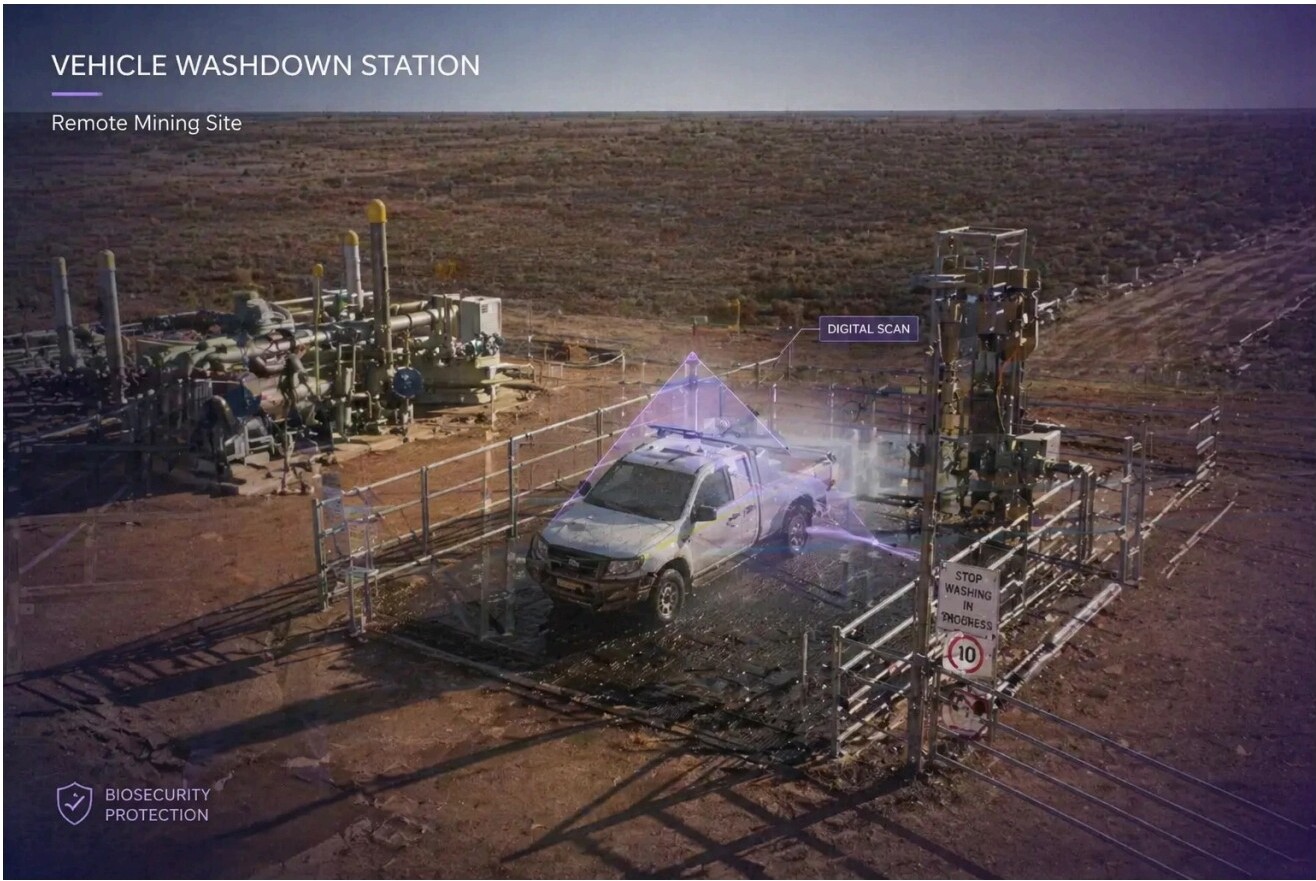
- Delayed Investigations: In biosecurity, speed is everything. If you can't verify a vehicle's hygiene status in minutes, a potential contamination can spread across properties while you're still looking for the paperwork.
- Broader Biosecurity Responses: If your records are vague, regulators will always take the most conservative (and expensive) route—often shutting down entire regions because you can't prove a specific vehicle was clean.
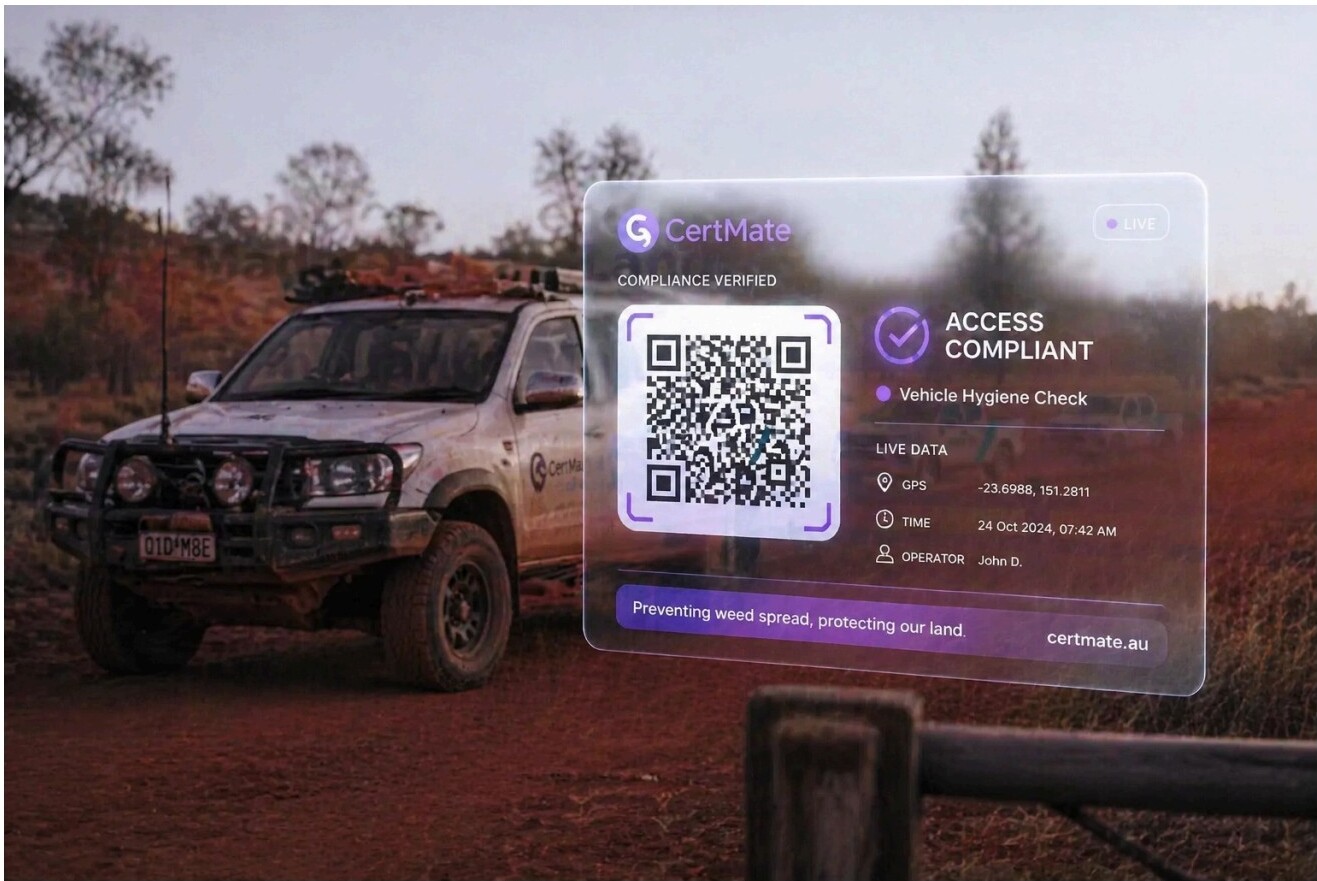
- Disrupted Operations During Audits: A digital, QR-code-based system allows an auditor to verify compliance in seconds. A manual system requires a total operational halt while files are pulled and verified.
- Increased Insurance Friction: Insurers are increasingly looking for "defence-grade" audit trails. Without them, premiums rise and claims become harder to settle.
- Lost Confidence: Once a landholder or regulator loses trust in your compliance data, your "social license to operate" is at risk. Regaining that trust is infinitely more expensive than maintaining it.
These costs are not theoretical. Recent enforcement of the Biosecurity Act 2015 has seen individuals face fines of up to $1.6 million. For a company, the reputational damage and operational downtime can far exceed the direct fines.
Strong Compliance Reduces Total Cost, Not Increases It
The great irony of HSEQ technology is that high-quality compliance is often assumed to be more expensive. In reality, it is a cost-saving engine.
Digital land access compliance reduces the "Total Cost of Compliance" by:
- Preventing issues rather than reacting to them through real-time GPS and timestamped photo verification.
- Reducing audit and investigation time from days to seconds.
- Improving contractor onboarding efficiency, ensuring teams get to work faster without sacrificing safety.
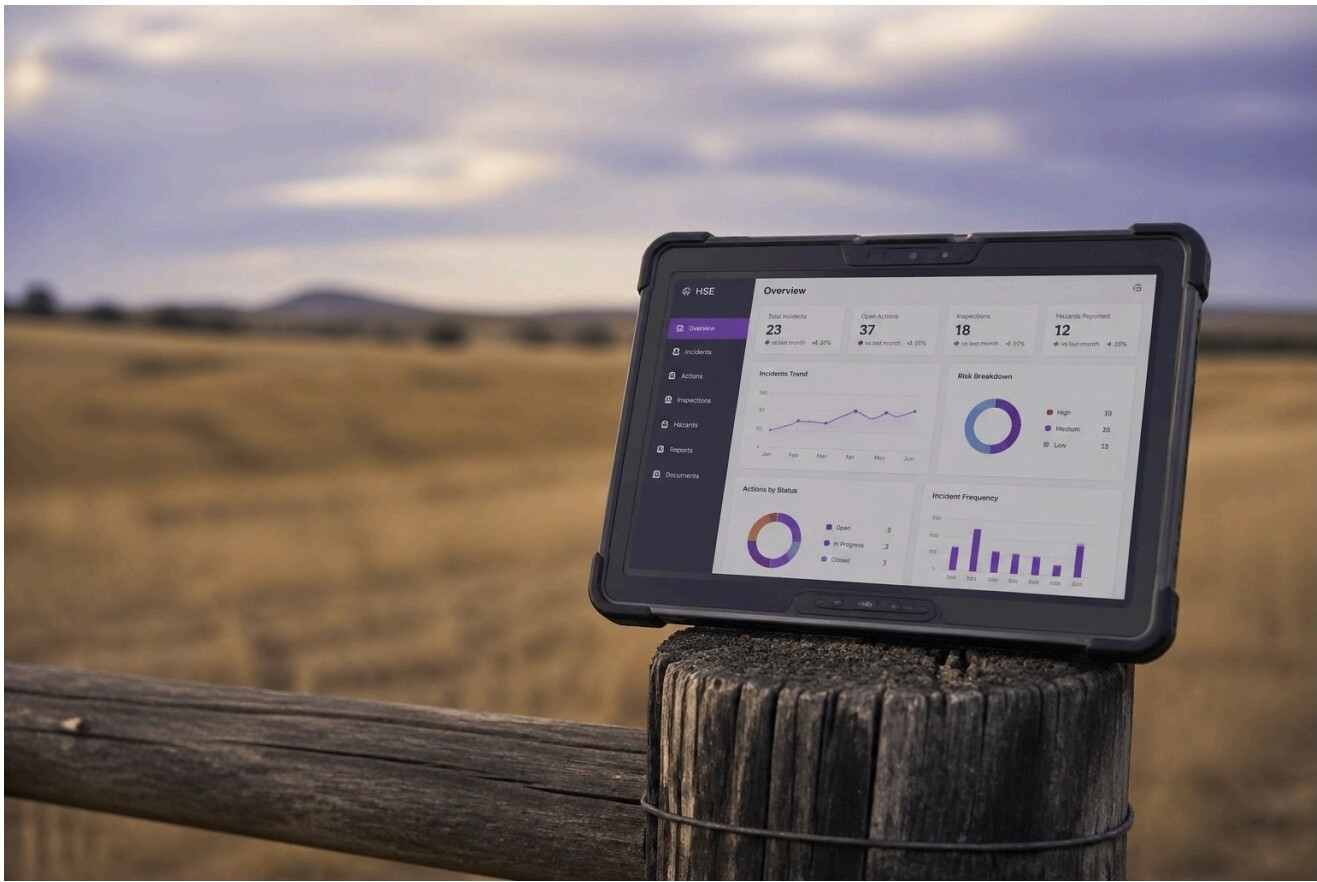
- Removing duplicate admin, as data captured in the field syncs directly to the Multi-Property Dashboard.
- Creating reusable, defensible evidence that protects the business for years, not just until the next audit.
The organisations with the lowest compliance friction are rarely those doing the bare minimum. They are the ones who have replaced manual effort with automated systems.
Why This Matters Across Australian Industries
- Agriculture and Agribusiness: Protecting the "clean and green" status of Australian produce requires more than just a verbal promise. It requires a transparent, verifiable chain of custody.
- Infrastructure and Construction: Managing hundreds of moving parts across multiple sites requires a centralised hub to monitor fleet compliance.
- Utilities and Energy: Accessing remote easements requires trust from landholders. A tamper-proof digital certificate is the fastest way to build that trust.
- Resources and Renewables: High-stakes environments demand high-stakes compliance. There is no room for "good enough" when managing biosecurity on a mine site or a wind farm.
Any operation managing land, contractors, and vehicles faces the same trade-off: Optimise for minimum effort, or optimise for resilience. Resilience wins every time.
Systems, Not Effort, Determine Compliance Quality
The difference between minimum compliance and strong compliance is not about how hard your team works—it's about the tools they use.
Digital land access compliance platforms like CertMate by Aevi Tech are designed to remove the "human error" factor. By moving to a digital-first model, you:
- Enforce compliance by default: An operator cannot generate a certificate without the required photos and GPS data.
- Capture evidence in real-time: No more "updating the spreadsheet on Friday afternoon."
- Link people, vehicles, and sites: Create a holistic view of your operational footprint.
- Support offline functionality: Because compliance shouldn't stop just because the 5G signal does.
- Produce audit-ready records instantly: Total transparency at the touch of a button.
This removes the need to rely on individual diligence. It builds a "Digital Shield" around your operations that "minimum compliance" simply cannot provide.
Why Leaders Are Rethinking "Good Enough"
Senior HSE managers and CEOs are increasingly aware that reputational risk compounds quickly. Modern leaders are replacing "minimum compliance" with four new pillars:
- Defensible: Can we prove this in court?
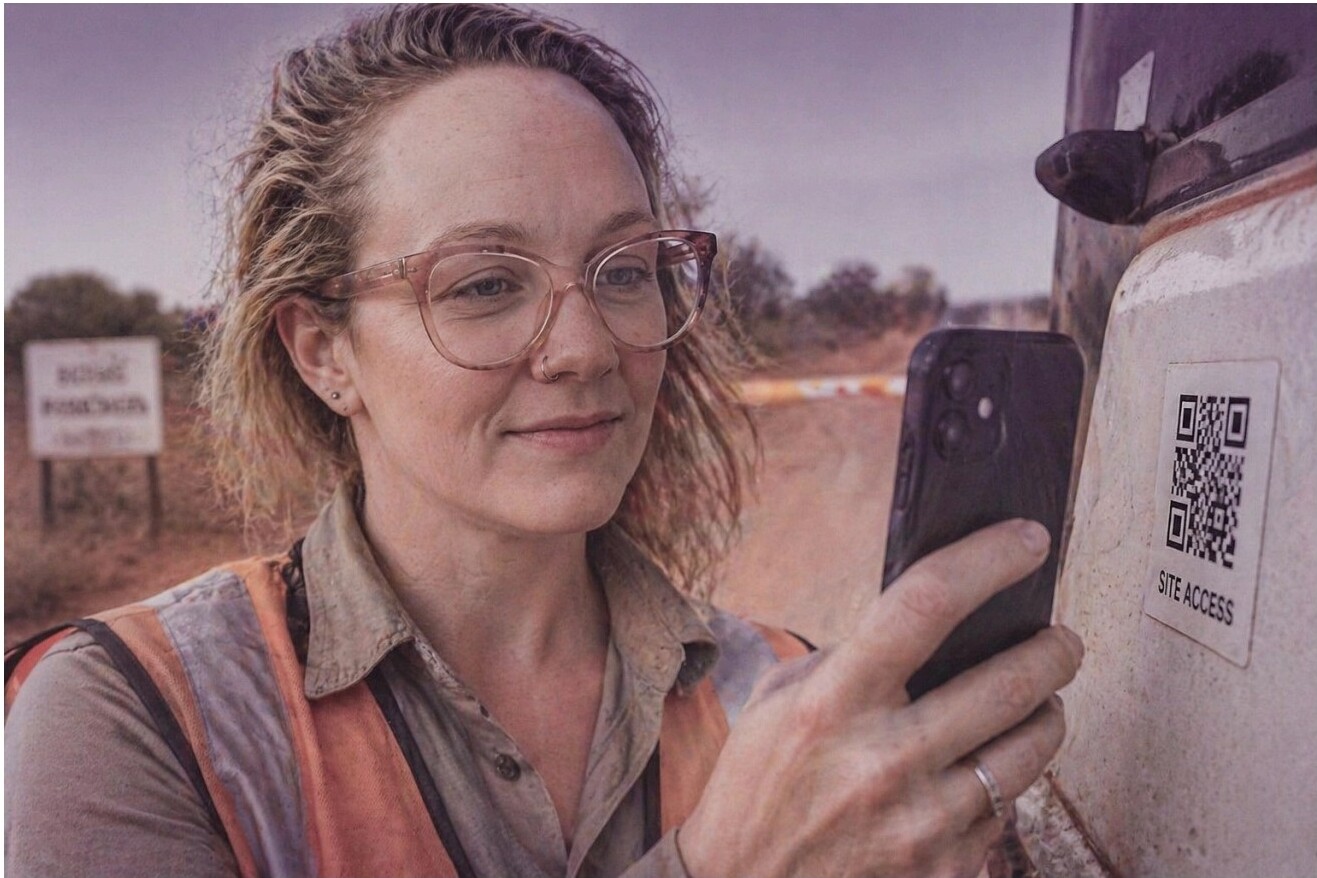
- Verifiable: Can a site manager scan a QR code and know the truth instantly?
- Scalable: Can this system work across 10 sites as easily as one?
- Repeatable: Does the process stay the same regardless of who is performing it?

April Is When This Realisation Lands
There is a reason we see a surge in compliance interest in April. This is the month when:
- Audits are underway, and the gaps in paper-based systems become painful.
- Advisors are engaged for the new financial year, highlighting the risks of old-world methods.
- Comparisons are made between digital-first competitors and manual-heavy laggards.
This is the moment many organisations realise they are compliant by the letter of the law, but exposed by the reality of their operations.
The Bottom Line
Minimum compliance feels cheaper—until it isn't.
In land access and biosecurity, the real cost isn't the software subscription. The real cost comes from uncertainty, reconstruction, and exposure under pressure.
Strong compliance systems like CertMate don't add complexity; they remove fragility. They take the "grit" of field operations and give it the "shield" of 21st-century technology.
In today's regulatory environment, resilience is far cheaper than recovery.
Ready to move beyond the "Minimum"? Discover how CertMate can turn your compliance from a liability into a competitive advantage. Eliminate the paper, remove the risk, and secure your site access with the Digital Shield for the paddock.