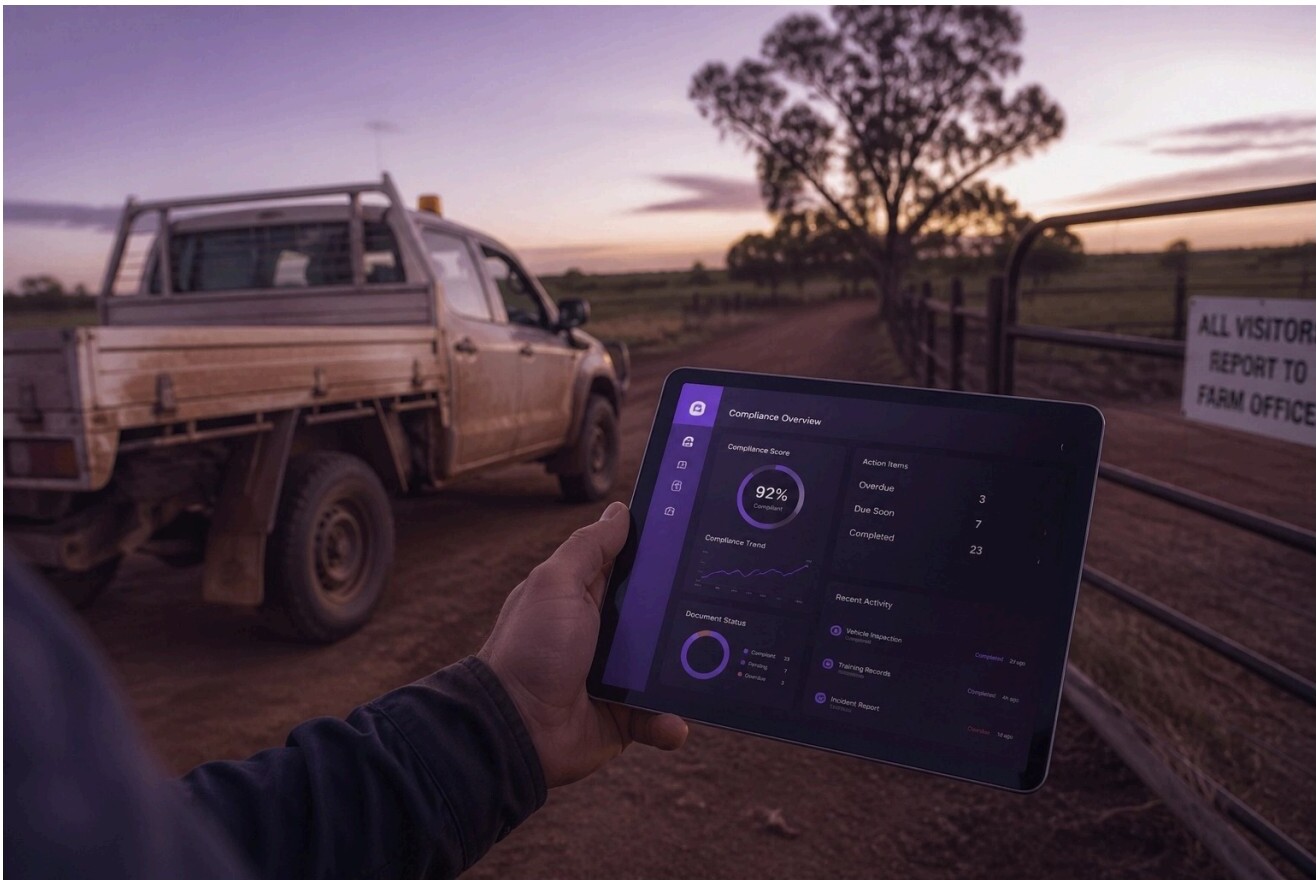
What "Good" Looks Like: A Practical Benchmark for Land Access Compliance in Australia
Carina Steinbakk
Across Australian industries, land access compliance is no longer a suggestion—it's a prerequisite for operation. However, there's a growing divide between those who simply "do" compliance and those who do it well. As we move deeper into the operational year, the question of quality is moving to the forefront of executive agendas.
Most organisations now accept that land access must be controlled, recorded, and auditable. That's the baseline. But the harder question—the one auditors, insurers, and boards are increasingly asking—is: Is our approach actually good?
By the time March and April roll around, this question becomes critical. Audits are scheduled, annual reviews are underway, and the gap between a "paper-thin" compliance strategy and a "defense-grade" digital shield becomes a liability you can't ignore.
The Problem: Compliance Without a Benchmark
One of the biggest challenges in land access compliance today is the total absence of a shared benchmark. Without a clear standard, organisations are left guessing. You know when compliance is bad—you've seen the missing records, the inconsistent inductions, and the frantic scramble when an auditor asks for a specific gate log from six months ago.
But what does "good" look like in practice?
Without a benchmark, compliance becomes entirely subjective. And subjective compliance does not stand up to the high-stakes scrutiny of a biosecurity breach or a regulatory investigation. You need more than a "best effort" policy; you need a verifiable system.
A Practical Benchmark for Land Access Compliance
Based on the expectations of modern auditors, regulators, and insurers, high-quality land access compliance in Australia must demonstrate five core characteristics. If your current system misses any of these, you aren't just inefficient—you're exposed.
1. Access Is Controlled Before Entry — Not After
In mature compliance systems, access isn't something you record after the fact. It's something you gate at the very beginning. If a vehicle passes through your gate before a washdown certificate is verified or an induction is signed, your compliance has already failed.
The standard:
- Access approval happens before the land is entered.
- Inductions and biosecurity declarations are mandatory prerequisites.
- There is zero reliance on the phrase "we'll record it later."
Good compliance prevents unauthorised access by design, not just by policy. When you use a digital tool like CertMate, the system enforces this logic automatically, ensuring no operator enters a site without the necessary credentials.
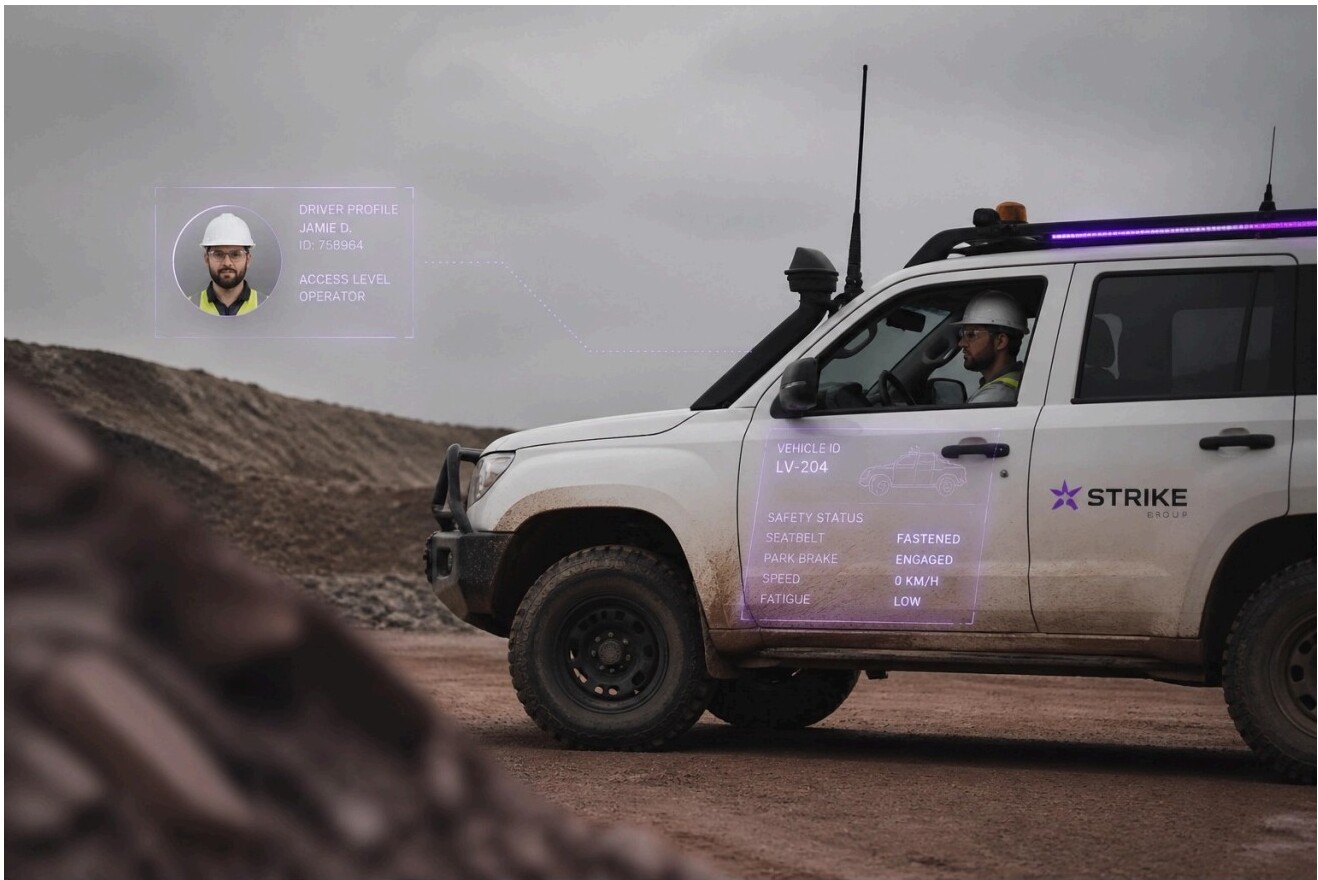
2. People, Vehicles, and Sites Are Connected
Land access compliance collapses the moment these elements are managed in silos. If your visitor log says "John Smith" but doesn't mention which ute he was driving or which specific paddock he accessed, the record is functionally useless for a biosecurity trace.
The standard includes:
- Identification: Who accessed the site?
- Equipment: Which vehicle and gear did they bring with them?
- Context: What were the site-specific rules for that day?
- Traceability: A single, unified record tying the person, the asset, and the location together.
This connection is essential for post-incident investigations. If a weed infestation is discovered, you need to know exactly which vehicle crossed that specific GPS coordinate.
3. Records Are Time-Stamped, Verifiable, and Immutable
Paper records and manual spreadsheets are the "old-world" frustrations that keep HSE managers up at night. They are easy to lose, easy to forge, and nearly impossible to verify months after the event.
Good compliance evidence must be:
- Real-Time: Created at the moment of the event.
- Automatic: Time-stamped by the system, not a person.
- Immutable: Impossible to alter or "back-date" after the fact.
- Accessible: Instantly retrievable under pressure.
Digital evidence provides a level of certainty that paper can never match. When an auditor sees a GPS-tagged, timestamped photo of a vehicle washdown, the conversation shifts from "Did this happen?" to "Thank you for the data."
4. Compliance Works Under Pressure
A benchmark-level system doesn't rely on perfect conditions. It's easy to be compliant on a slow Tuesday with one contractor. The real test happens when you have thirty vehicles arriving at dawn, a storm rolling in, and a team under immense time pressure.
If your compliance only works on quiet days, it isn't good enough.
A robust system continues to function when:
- Sites are busy and chaotic.
- Contractors arrive without warning.
- Operations are scaling rapidly across multiple regions.
- Connectivity is low (offline functionality is a non-negotiable).
Resilience is the hallmark of "good." You need a system that makes the right way the easiest way, even when the pressure is on.
5. Evidence Can Be Produced Immediately
Imagine an auditor walks into your office today and asks: "Who accessed the western boundary block last month, and can I see their vehicle hygiene certificates?"
How long does it take you to answer? If the answer is "I'll need to call the site office and get back to you in two days," you have failed the benchmark.
Good systems answer instantly.
- Who entered? Instant.
- Were they inducted? Instant.
- Was the vehicle clean? Instant.
In a world of high-stakes regulation, "I'll get back to you" sounds like "We don't know."

Why This Benchmark Matters Across Australian Industries
Whether you are in Agriculture, Mining, or Renewable Infrastructure, the risks are identical. A single biosecurity breach can shut down an entire region's export capability. A safety incident with an un-inducted contractor can lead to massive legal exposure.
Across the board, the trade-off is simple: You either optimise for minimum effort or you optimise for resilience.
Those who choose resilience—the leaders in their respective fields—are the ones moving away from manual "box-ticking" and toward integrated digital platforms.
How Digital Systems Enable This Standard
The standard of "good" compliance outlined above is virtually impossible to achieve with manual tools. The administrative burden alone would crush most operations. This is where digital platforms like CertMate by Aevi Tech change the game.
CertMate operationalises "good" by:
- Enforcing Digital Inductions: Access is physically impossible (or flagged immediately) without completion.
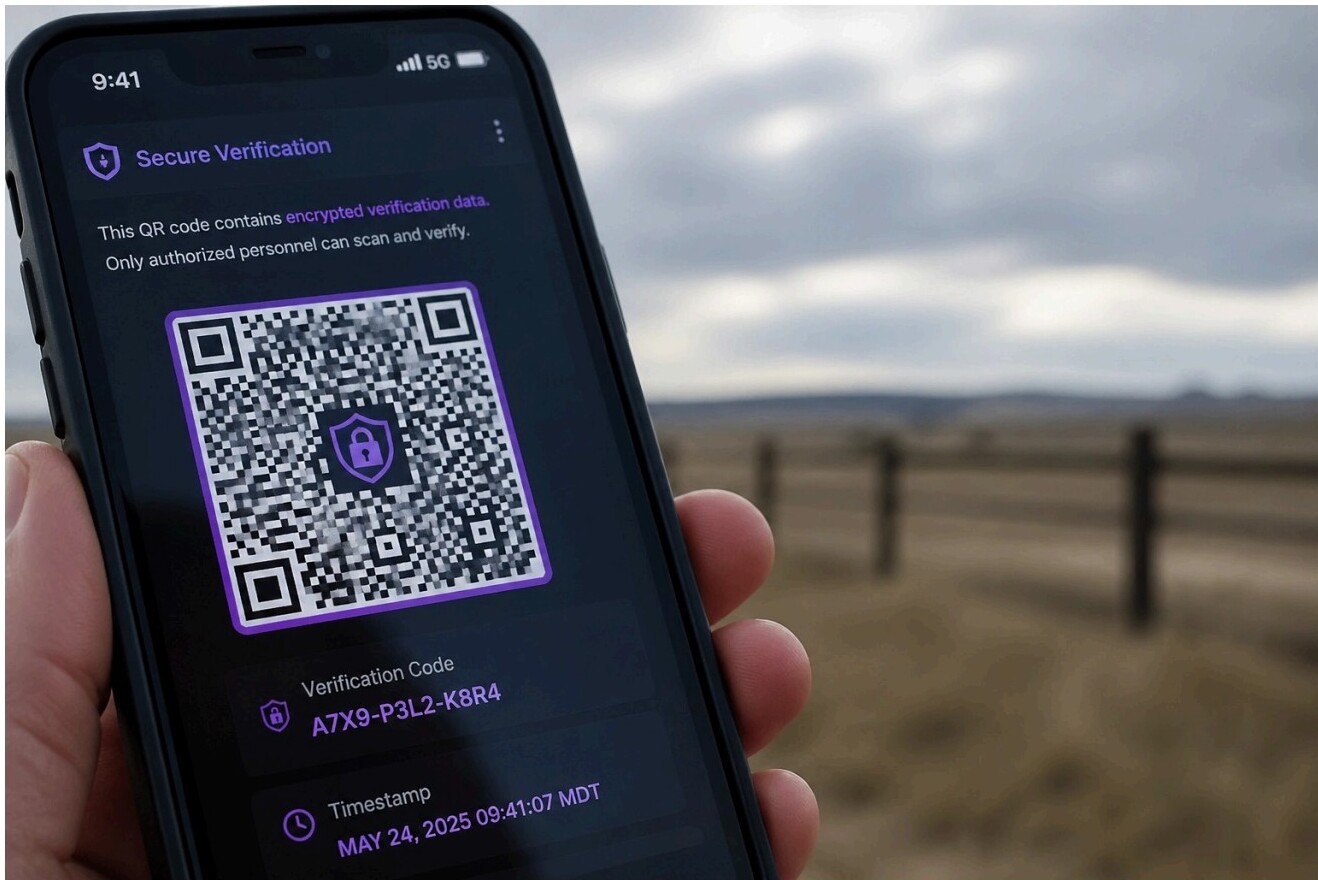
- Linking Data: It automatically connects the operator, their vehicle, and the site via QR codes and GPS.
- Capturing Real-Time Proof: Photos and timestamps are baked into the certificate.
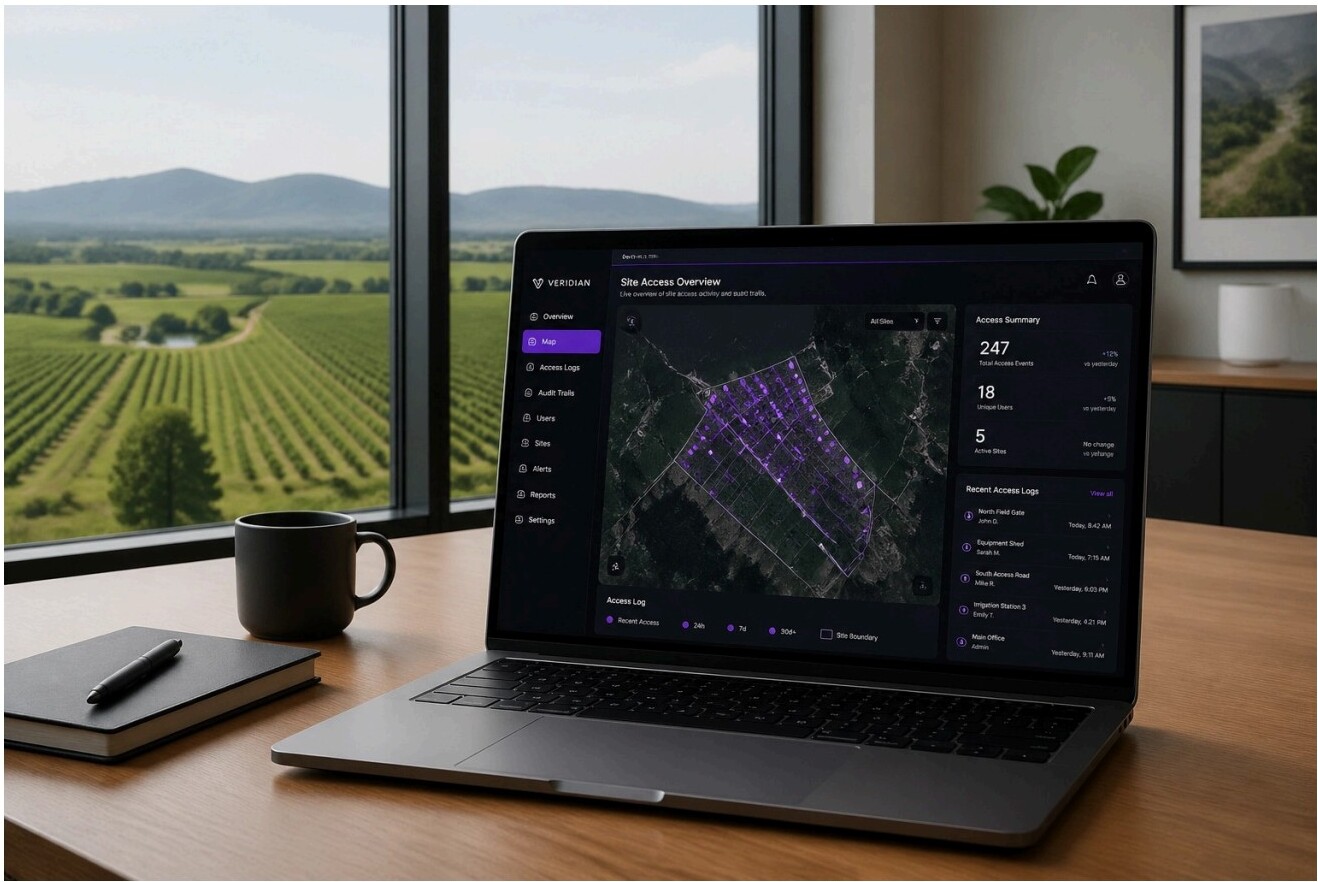
- Scaling with Ease: Manage one site or one hundred from a single dashboard.
- Audit-Ready Reporting: Generate comprehensive compliance reports in seconds, not days.
You don't have to define what "good" looks like every single morning. The system does it for you.
Why March and April Are the Moments of Truth
This is the time of year when "functional" compliance is tested against "defensible" compliance. As external advisors and auditors begin their reviews, the gaps in manual systems become painfully visible.
If you are spending your weeks reconstructing records and chasing signatures, you are experiencing the "hidden cost" of a sub-par compliance strategy. Leadership in this space means setting the standard before the crisis arrives.
The Bottom Line
Land access compliance in Australia has matured. The question is no longer whether you have a compliance policy—it's whether that policy is worth the paper it's written on.
Good compliance is:
- Preventative
- Connected
- Verifiable
- Scalable
- Defensible
Digital platforms like CertMate make this standard achievable in practice, not just in theory. In today's high-risk environment, "good" is no longer an aspiration. It is the baseline for survival.
Are you ready to move beyond the bare minimum? Explore how CertMate can transform your land access compliance.