End-of-Year Biosecurity Reviews: Why Land Access Records Matter More Than You Think
Carina Steinbakk
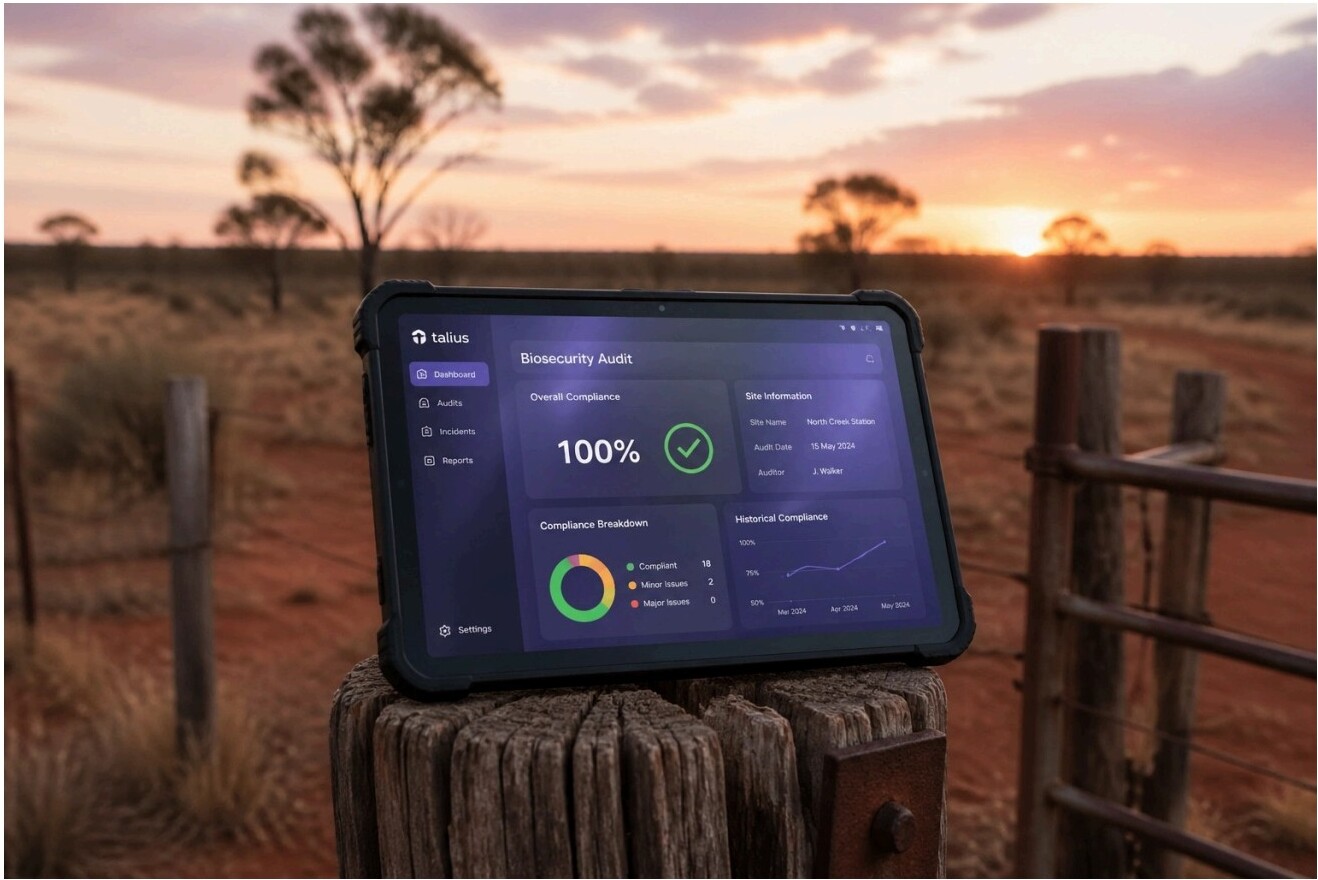
December is when questions surface. It's not during the seeding rush or the height of harvest. It's not in the middle of urgent infrastructure repairs or site expansions. It happens when the dust settles just enough to reflect. For many Australian farms, agribusinesses, and industrial operators, the end of the year prompts a simple but high-stakes review: How strong was our biosecurity this year — really?
Almost every meaningful answer to that question starts with your land access records. If those records are a mess of paper logs and missing signatures, your biosecurity posture is built on sand.
The High-Stakes Reality of 2026
We've entered a new era of accountability. As of January 2026, expanded biosecurity requirements—such as those mandated for NFAS-accredited feedlots—have set a higher benchmark for the entire industry. These standards aren't suggestions; they are critical operational mandates that require time-stamped entry and exit records, visitor risk screening, and verifiable movement tracing.
Whether you're managing a feedlot, a renewable energy site, or a broadacre operation, the standard has shifted. Manual records are no longer the benchmark. They are a liability. When auditors or supply-chain partners look back at your year, they aren't looking for good intentions. They're looking for proof.
End-of-Year Reviews Expose Critical Gaps
Biosecurity reviews are not theoretical exercises. They are forensic look-backs designed to identify where your "defensive perimeter" failed. During these reviews, leaders often find themselves staring down a series of uncomfortable questions:
- Who exactly accessed our land this year?
- Was every vehicle verified for hygiene before entry?
- Can we prove that every contractor completed their induction?
- Where were the weak points in our documentation chain?
- What would a regulator see if they walked in tomorrow?
When these questions are asked honestly, gaps become visible — especially around land access compliance. Paper logs sitting in a gatehouse or spreadsheets that haven't been updated in three weeks rarely survive year-end scrutiny. They lack the timestamped, GPS-verified authenticity that modern biosecurity demands.
Why Land Access Records Are the First Domino
Land access records sit at the absolute centre of biosecurity compliance. Think of them as the "first domino." If this record is weak, every other control you've implemented—from washdown protocols to livestock health checks—becomes fragile. Comprehensive land access records underpin:
- Traceability: The ability to trace a potential contaminant back to a specific vehicle or visitor.
- Exposure Analysis: Quickly identifying which areas of a property were accessed during a specific window.
- Contractor Oversight: Ensuring third-party providers aren't cutting corners on your time.
- Audit Readiness: Providing a "defence-grade" history that can be handed to an auditor in minutes, not days.
If you don't know who was on your site, when they were there, and what they acknowledged before entry, you don't have a biosecurity plan. You have a biosecurity hope.
The Problem With "Reconstructing" Compliance
December often reveals a hard truth: If it wasn't recorded properly at the time, it can't be reconstructed later. We call this the "Reconstruction Trap."
Many organisations spend the final weeks of the year trying to rebuild their compliance history from a fragmented trail of emails, invoices, calendar invites, and half-remembered conversations. This creates massive uncertainty. In the eyes of an auditor or an insurer, uncertainty is the same as non-compliance.
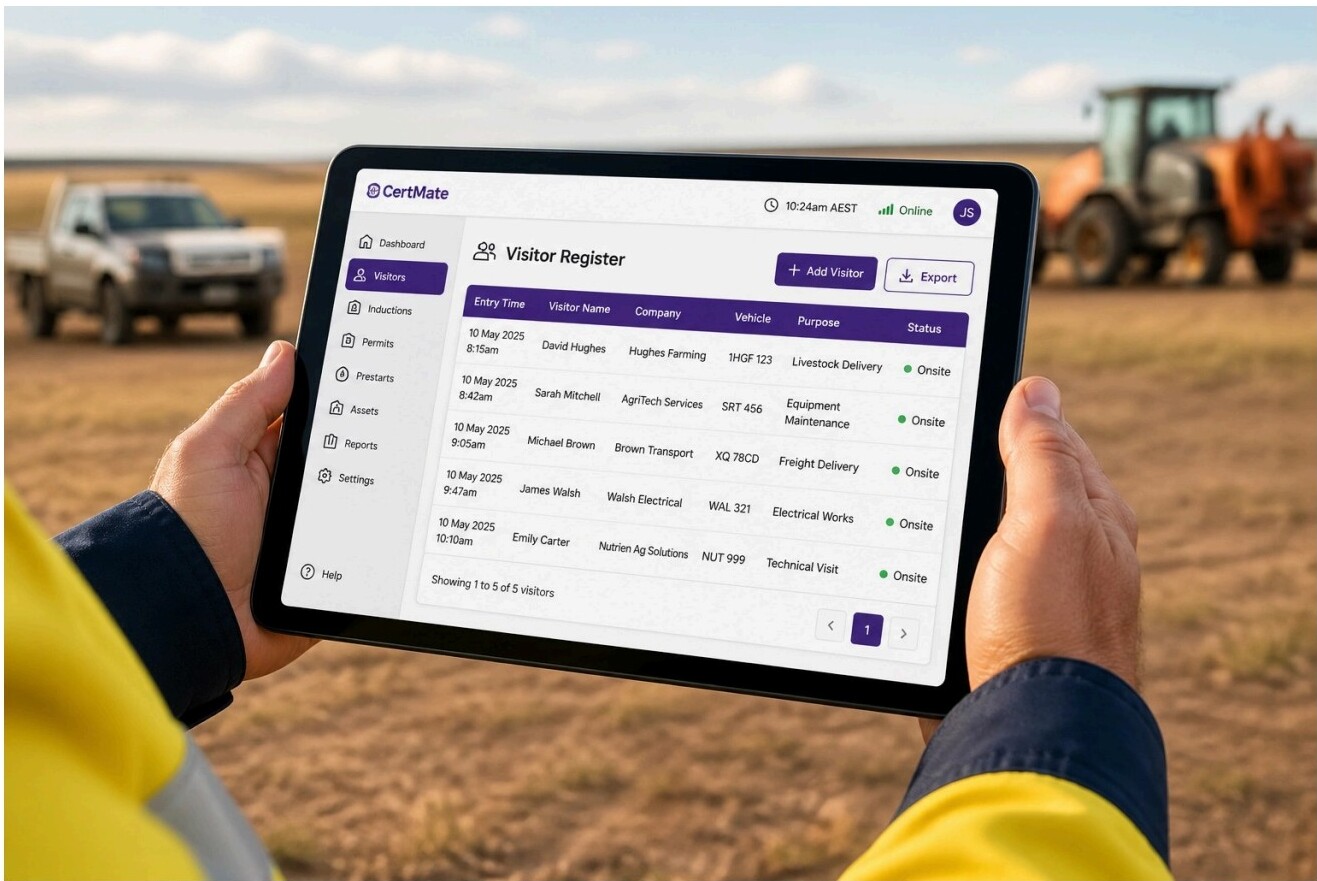
Digital land access systems, like CertMate, eliminate this trap by capturing evidence at the exact moment access occurs. The data is "born" digital, timestamped, and immutable. That difference matters enormously when you're sitting in a boardroom or an audit office reviewing the year's performance.
Digital Compliance Changes the Outcome
Platforms like CertMate by Aevi Tech are purpose-built to turn the "stress" of a review into the "success" of a report. By shifting from manual to digital, you transform your end-of-year process from a scavenger hunt into a strategic summary.
CertMate supports your biosecurity review by:
- Linking Everything: Connecting people, vehicles, and specific GPS locations into a single, searchable history.
- Enforcing Standards: Ensuring no one enters a site without first completing required digital inductions and declarations.
- Capturing Real-Time Proof: Using timestamped photos and GPS data to prove that vehicle hygiene certificates aren't just forged pieces of paper.
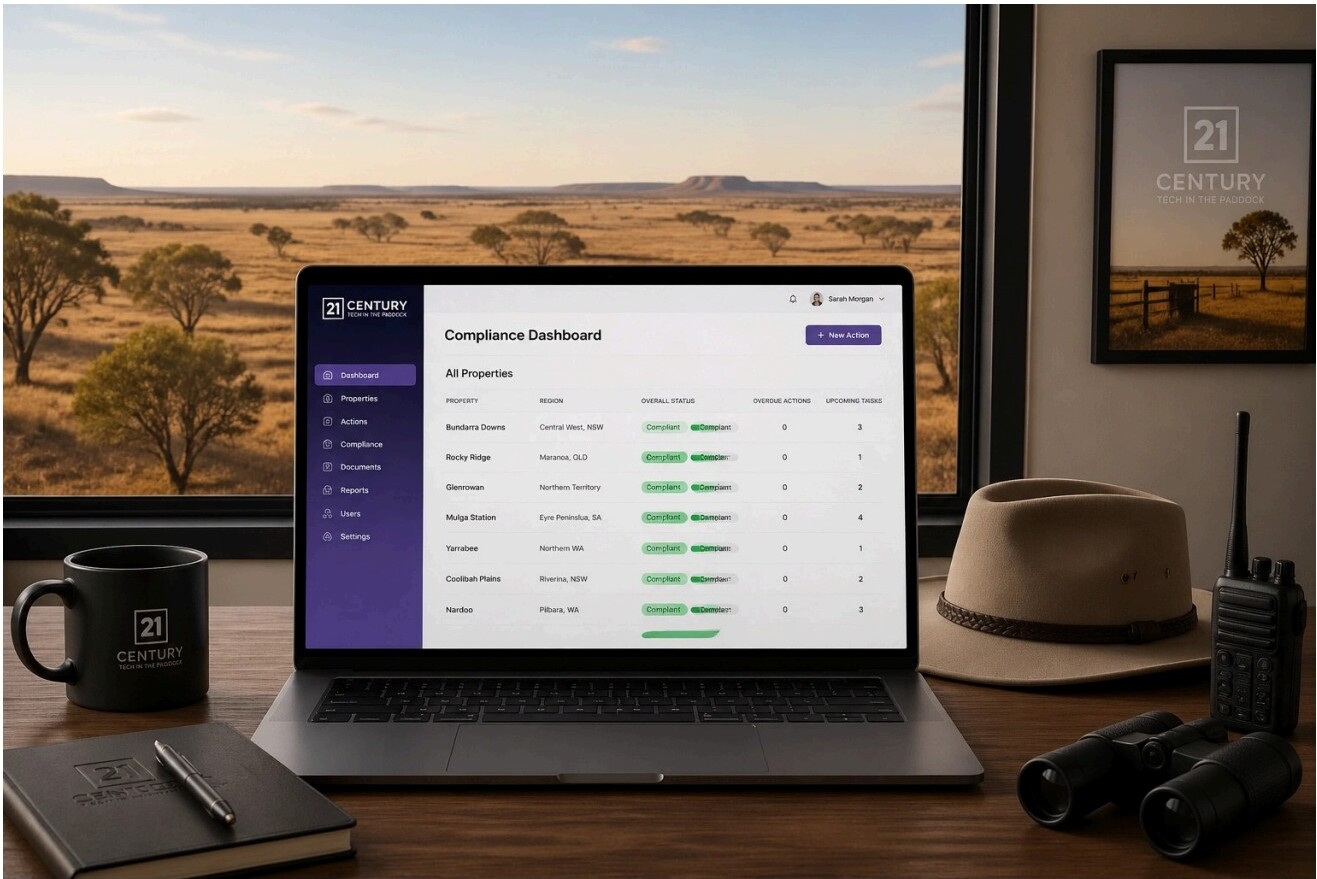
- Scaling Effortlessly: Managing multiple properties and thousands of movements without increasing your administrative overhead.
Instead of asking "What do we think happened?", your team can confidently state, "Here is exactly what the record shows."

Reviews Are No Longer Just Internal
The scope of biosecurity has expanded. Your end-of-year review isn't just for your peace of mind; it's increasingly required by external stakeholders who hold the keys to your commercial success.
- Supply-Chain Partners: Major retailers and export programs now demand proof of traceability before they'll accept your product.
- Insurers: From an insurance perspective, digital land access records reduce ambiguity. Better records often lead to lower dispute risks and faster claims assessment if an incident does occur.
- ESG Frameworks: Environmental, Social, and Governance reporting now looks closely at how companies manage biosecurity and environmental risks. Digital evidence is the "gold standard" for these reports.
In these contexts, your land access compliance is the first indicator used to assess your overall operational maturity. If you can't manage who walks through the gate, stakeholders assume you can't manage the risks inside the gate either.
From Review to Readiness: Your 4-Step Checklist
The strongest operations use December not to assign blame for the past, but to improve readiness for the future. As you conduct your review, use this 4-step checklist to reset for the coming year:
- Identify the Gaps: Where did you lose visibility this year? Was it a specific gate, a specific contractor, or a specific type of vehicle?
- Audit Your "Paper Trail": Take a sample of 20 paper logs. How many are illegible? How many are missing exit times? If the error rate is over 5%, your system is failing.
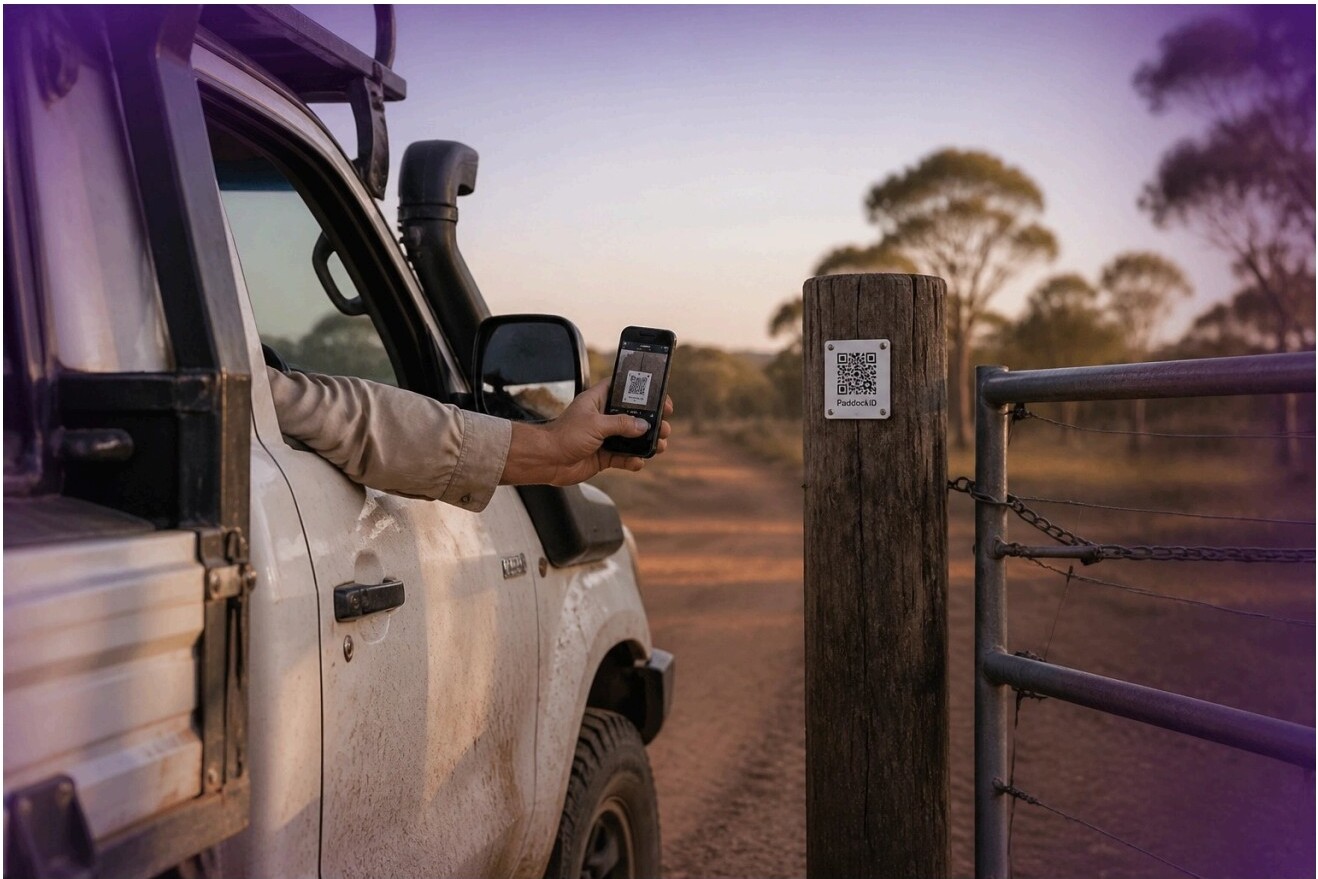
- Digitise the Gateway: Implement a QR-code based entry system. This ensures that compliance is a "gatekeeper" function — not an afterthought.
- Set the Standard Early: Inform your contractors and staff in December that digital evidence will be the non-negotiable standard for the new year.
The Bottom Line
End-of-year biosecurity reviews reveal what your systems actually delivered—and which ones relied on luck. Land access records aren't just historical artefacts; they are the ultimate indicators of control, consistency, and preparedness.
Digital systems like CertMate ensure that when the year is reviewed—by your team, your auditors, or your insurers—the evidence already exists. It's secure, it's searchable, and it's defensible.
Good compliance doesn't start in January. It's built quietly all year. December just makes it visible.
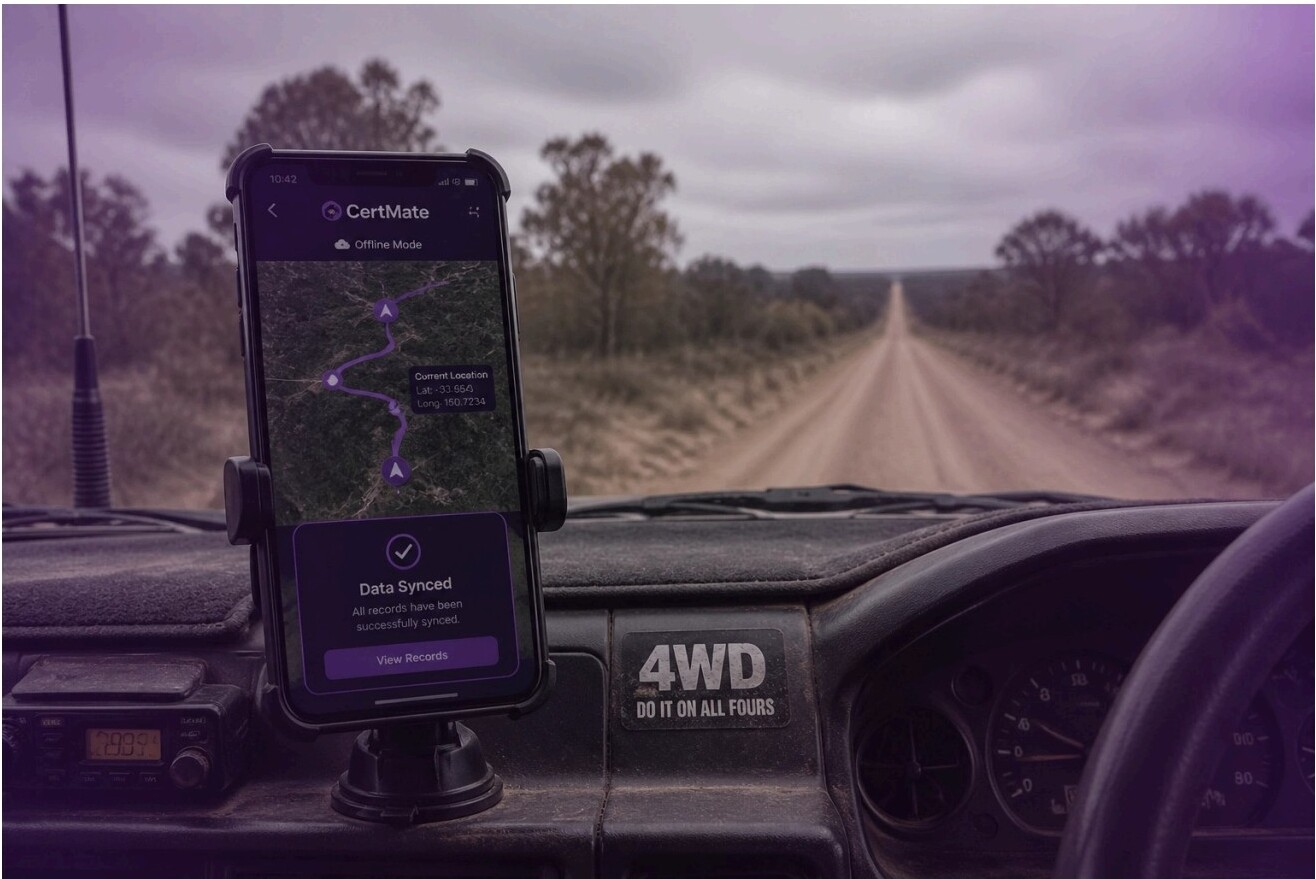
Is your biosecurity record ready for scrutiny? Don't wait for an audit to find out your paper system failed. Explore how CertMate can digitise your land access today and turn your compliance into a commercial asset.