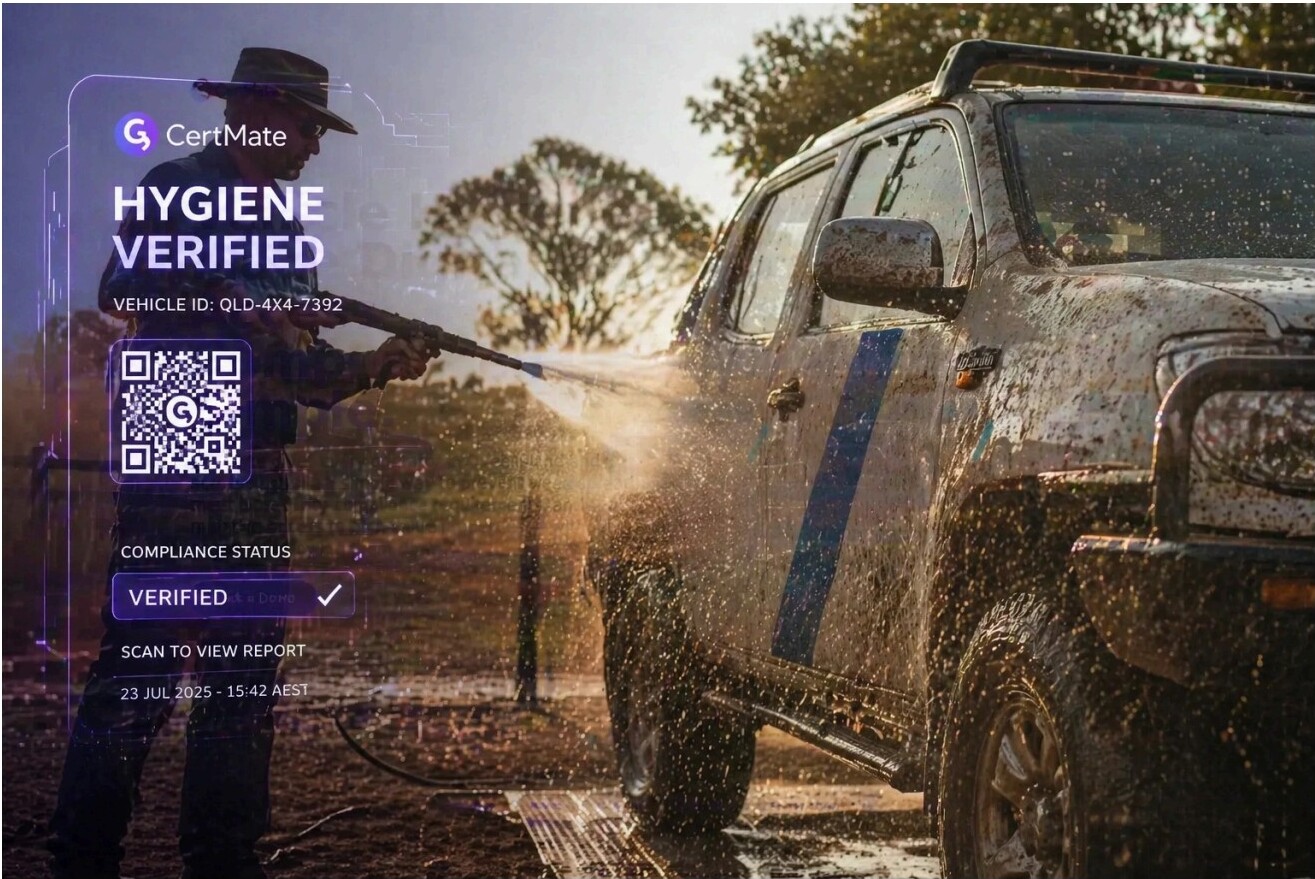
Why Vehicle Hygiene Certification Is Now Central to Australian Land Access Compliance
CertMate Team
Vehicle movement is one of the highest biosecurity risk vectors in Australian agriculture. Every day, trucks, utes, machinery, and service vehicles move across thousands of kilometres between properties, regions, and biosecurity zones.
With that movement comes a critical reality: the risk of the "invisible hitchhiker." Soil, seeds, plant matter, and pathogens are often invisible to the naked eye, yet they pose a massive threat to the integrity of our land and supply chains.
By the time the damage is visible — a new weed outbreak, a pest infestation, or a disease breach — it's often too late. That is why vehicle hygiene certification has moved from a "nice to have" to a core requirement of modern land access compliance.
Vehicle Hygiene Is a Land Access Issue — Not Just a Washdown Issue
Historically, vehicle hygiene was treated as a minor operational detail. The conversation usually stopped at: Was the vehicle washed? Was there a washdown bay? Did it look "clean enough"?
That thinking no longer holds up in a high-stakes regulatory environment. Today, the real question is: Can you prove the vehicle met hygiene requirements at the exact time it entered the land?
This shift makes vehicle hygiene a land access compliance issue, not just a maintenance task. Without proof, hygiene cannot be verified. Without verification, compliance fails — and when compliance fails, access is revoked.
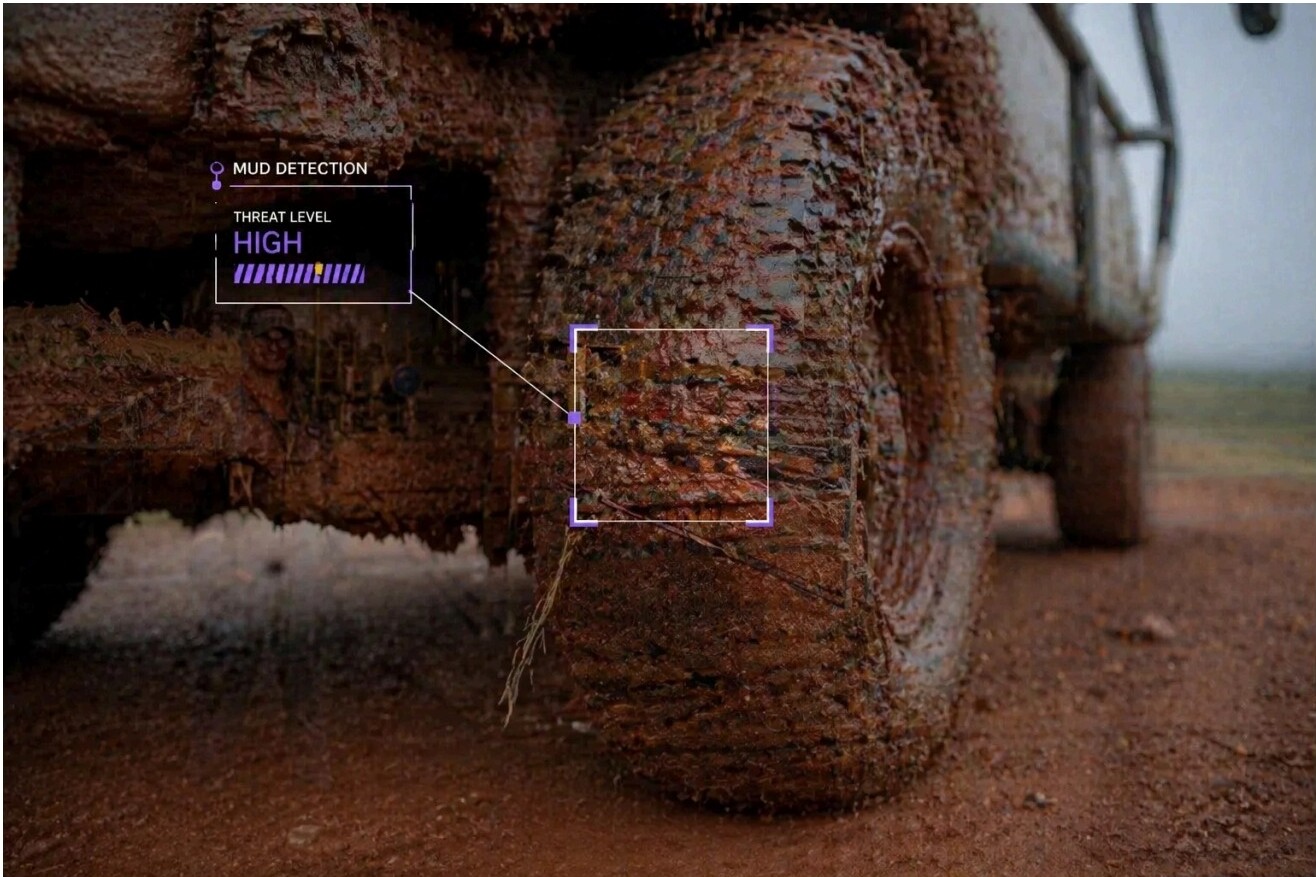
Why Vehicle Hygiene Certification Matters in Biosecurity
Vehicle hygiene certification provides the structured evidence needed to maintain operational continuity. It isn't just about clean paint; it's about a verifiable chain of custody.
Certification demonstrates that:
- Inspection occurred — The vehicle was actively checked for contaminants.
- Requirements were met — The specific hygiene standards of the site were satisfied.
- Controls were active — Risk was managed before the gate opened.
- Accountability exists — There is a record of who cleaned the vehicle and when.
In the event of a biosecurity incident, investigators and auditors look for one thing: a distinction between controlled risk and uncontrolled exposure. Certification is your primary line of defence.
The Limits of Manual Vehicle Hygiene Records
Despite the risks, many operations still rely on "old-world" frustrations like paper checklists and verbal confirmation. These methods are inherently fragile.
Common gaps in manual systems include:
- No standardisation — Every contractor uses a different form or "lost" the original.
- No time-stamping — You can't prove the photo on the phone was taken today or three months ago.
- No link to access — Records are disconnected from the specific land access event.
- No audit trail — Sifting through stacks of paper during an audit takes days, not minutes.
Under regulatory scrutiny, these records rarely hold up. They don't provide the peace of mind that landholders and HSE managers require to manage multi-property risks effectively.
Digitising Vehicle Hygiene Changes the Compliance Standard
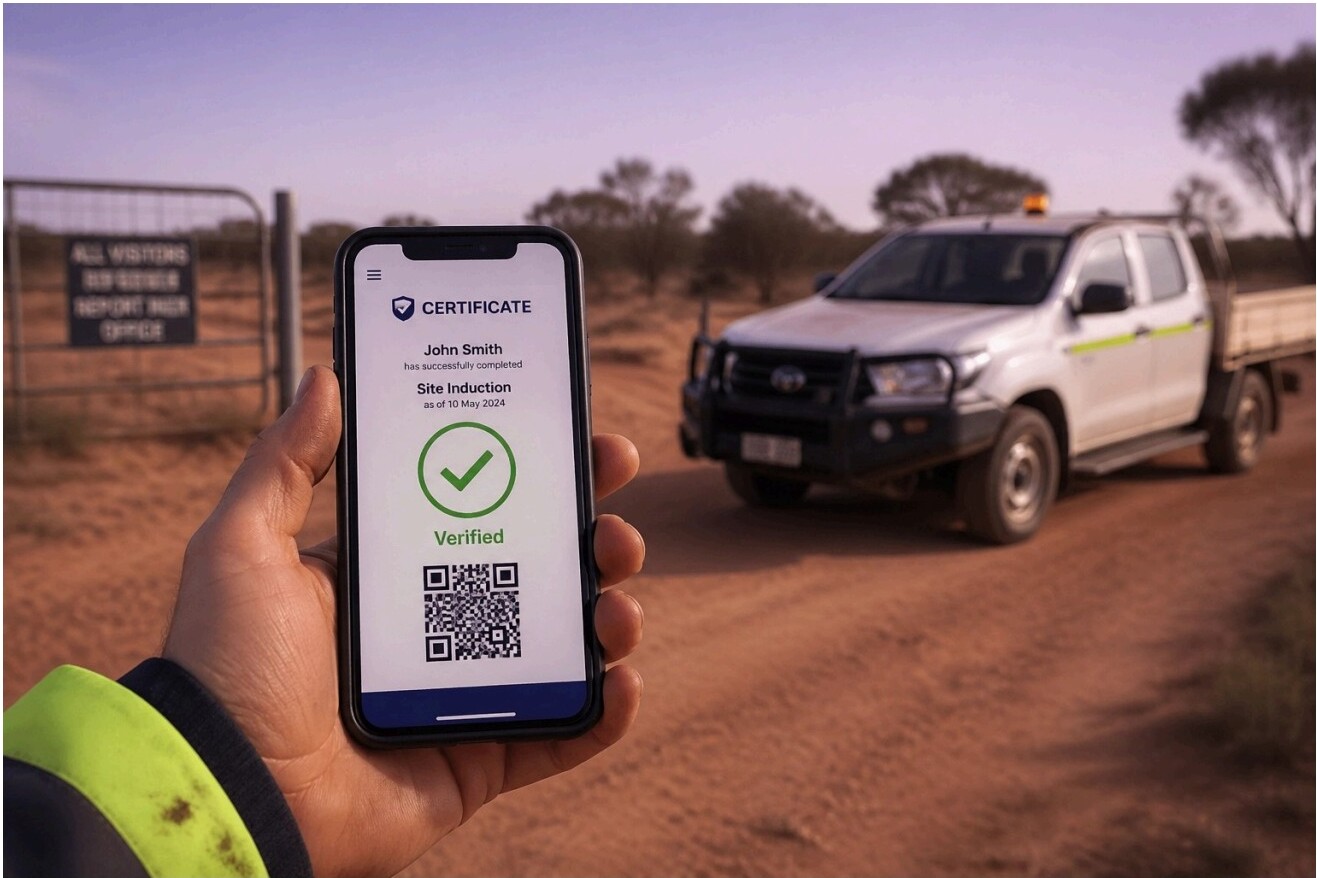
Digital land access compliance platforms like CertMate by Aevi Tech are built to eliminate these gaps. We move the process from a manual hurdle to a streamlined digital flow.
CertMate supports digitised vehicle hygiene certification by:
- Linking status to approval — Access is only granted when a valid hygiene declaration is present.
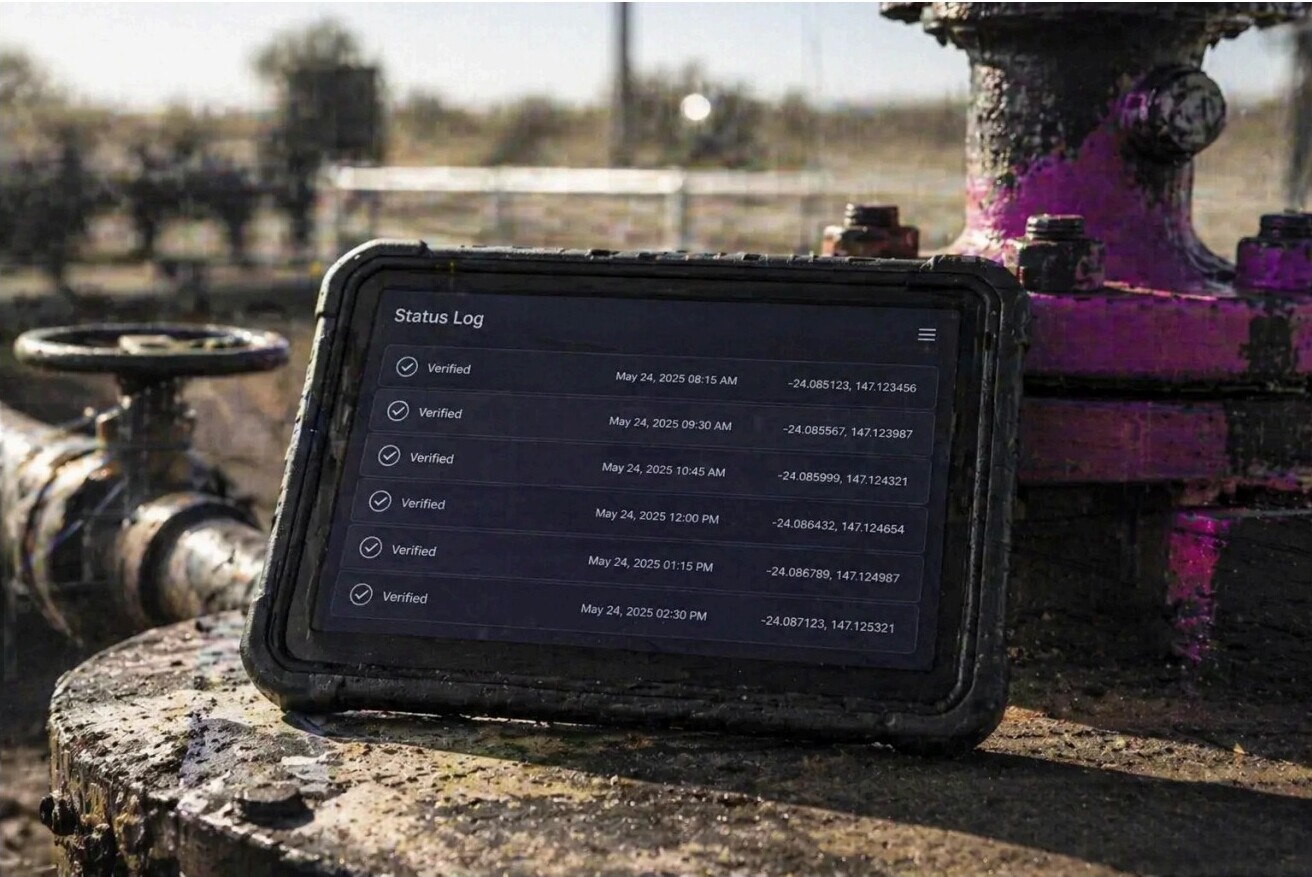
- Capturing real-time evidence — Operators take timestamped photos and GPS-logged data within the app.
- Generating QR codes — Landholders scan a unique, tamper-proof QR code at the gate for instant validation.
- Centralising records — All certifications are stored in a secure, defence-grade audit trail for HSE managers.
This transforms vehicle hygiene from an assumption into provable, real-time compliance.
Why This Matters for Australian Operations Specifically
Australia's biosecurity context is uniquely strict, and for good reason. Our geographic isolation and export-dependent agriculture rely on our reputation for clean, safe produce.
The tolerance for unmanaged vehicle risk is shrinking across all sectors — Agriculture, Mining, Oil & Gas, and Renewables. Regulators and insurers now expect:
- Digital traceability — Knowing exactly who and what moved onto a property.
- Evidence-based controls — Moving beyond "trust me" to "show me the data."
- Instant verification — The ability to stop non-compliant vehicles at the gate before they cross the boundary.
Vehicle hygiene certification is now a fundamental part of the Australian biosecurity framework, ensuring that one dirty vehicle doesn't jeopardise an entire region's market access.

Certification, Assurance, and Market Access Are Converging
We are seeing a convergence where land access, contractor compliance, and market assurance are becoming one single requirement. Organisations are no longer looking at these as separate buckets.
Vehicle hygiene certification is now tied to:
- ESG and risk reporting — Proving environmental stewardship through biosecurity.
- Supply-chain assurance — Ensuring contractors don't bring external risks into the food chain.
- Land access conditions — Meeting the strict requirements of the Land Access Code and General Biosecurity Obligation (GBO).
Digitised certification allows your organisation to meet these demands without increasing the administrative burden on your field teams. It makes compliance the path of least resistance.
From "Washed" to "Verified"
The shift underway is simple but significant. We are moving away from the era of "the vehicle was washed" and into the era of "the vehicle was certified, recorded, and approved for access."
That shift only works when hygiene certification is integrated directly into your land access systems. You cannot have one without the other. This integration is exactly what we built CertMate to deliver.
The Bottom Line
Vehicle hygiene is no longer a side process or a checkbox on a dusty clipboard. It is a core biosecurity control, a land access requirement, and a critical certification issue.
Australian land access compliance now depends on verifiable hygiene. By digitising this process, you protect your farms, your operators, and your entire supply chain.
Don't wait for a breach to find out your records aren't enough. Ensure that when scrutiny comes, the proof is already in place.
Ready to digitise your vehicle hygiene compliance?
Discover how CertMate can streamline your land access and keep your operations moving. Get in touch with our team to explore CertMate's features.